
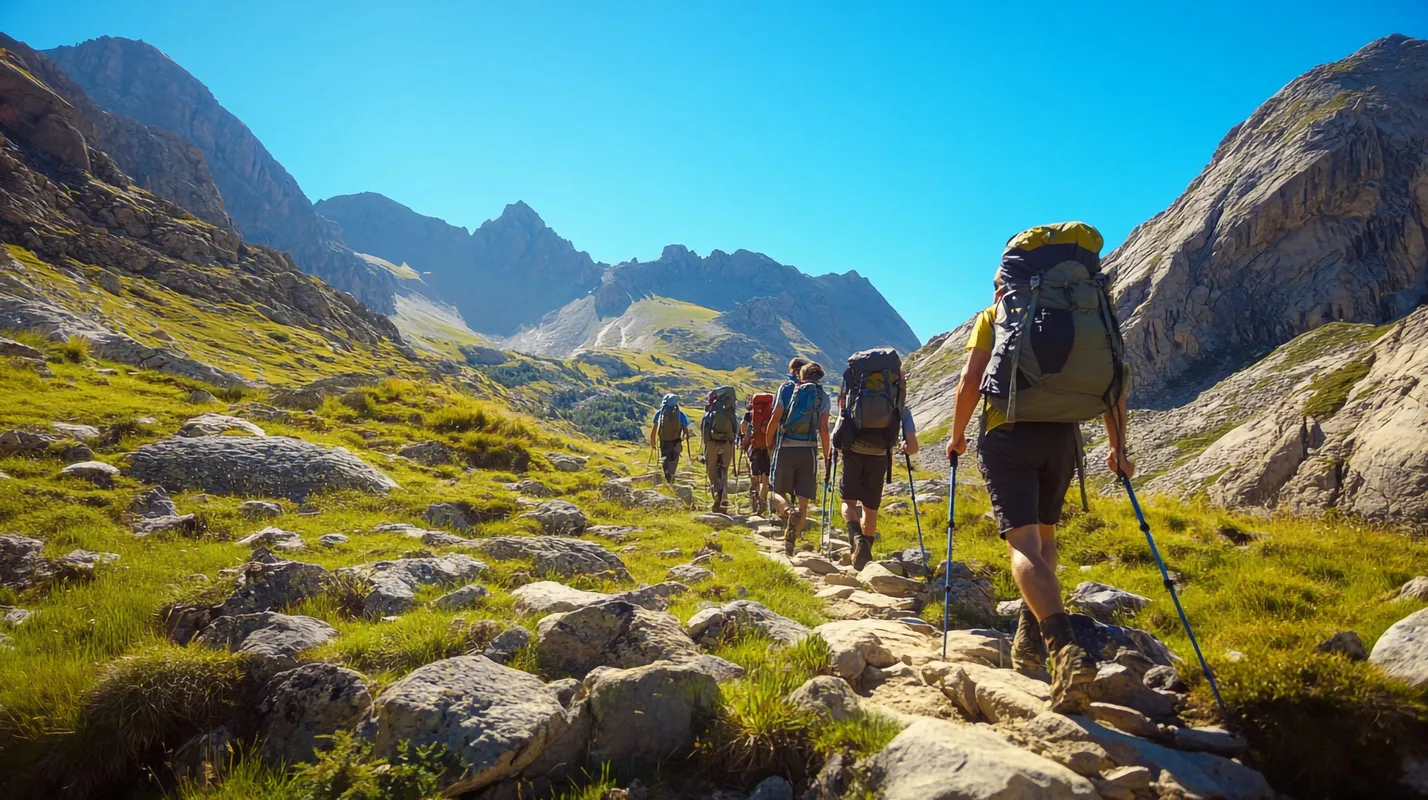
Being properly equipped for an outdoor adventure can make all the difference between a successful outing and an uncomfortable experience. Whether you’re planning a short walk or a multi-day trek, hiking clothes are central to comfort, safety and enjoyment on the trails. Choosing the right trekking outfit isn’t just a matter of taste; it mainly depends on understanding a few essential technical criteria.
The essentials of a successful hiking setup
Before setting out, it’s essential to adapt your trekking outfit to the weather conditions and the difficulty of the trails you have in mind. To do so, it’s a good idea to choose suitable hiking clothing, layer your clothes, opt for technical clothing and carefully select your hiking accessories. This helps you prepare for the unexpected and stay comfortable throughout your hike. One often-overlooked factor is breathability: choosing breathable clothing helps you stay dry, reducing the risk of getting chilled.
To fully enjoy the freedom that hiking offers, make sure your gear doesn’t get in the way or cause irritation. The wrong choice can quickly become uncomfortable, restrict movement, or even cause blisters or unpleasant chafing.
The three-layer system : the key to hiking in all conditions
The three-layer rule is a go-to for many outdoor enthusiasts. This simple principle involves combining different technical garments to provide insulation, manage moisture and protect you from the elements. Each layer plays a specific role in keeping you comfortable as you exert yourself. When looking for reliable gear, it’s therefore worth considering both practicality and usefulness when putting together your hiking equipment, and consulting specialists such as Les Baroudeurs, whatever the length of your adventure.
First layer : effectively wick away sweat
The first layer, worn next to the skin, generally consists of technical T-shirts or specialist underwear. Its purpose : to wick sweat away from your body so you stay dry, even during intense activity. Materials such as merino wool and synthetic fibres are ideal because they dry quickly and are easy to wash. At this layer, breathable clothing really makes a difference.
Avoid cotton, which retains moisture and makes you feel colder as soon as you stop. Instead, opt for activity-specific T-shirts that provide lasting comfort on all kinds of terrain.
Second layer : retain warmth with fleeces and insulating layers
The second layer helps maintain your body temperature. Fleeces are popular for their light weight, quick-drying properties and packability. Depending on the weather, you can also choose a lightweight down jacket or a technical sweater, both perfect for keeping warm during breaks or after dark.
It’s a good idea to adjust this layer to the conditions : a single fleece is often enough in the shoulder seasons, while in the high mountains, layering several warm garments improves thermal protection without making your outfit too bulky.
Third layer : protection from rain and wind
Essential in any hiking setup : a waterproof jacket. It protects you from rain, wind and sometimes snow, thanks to technical membrane fabrics that combine waterproofing and breathability. Packable styles fit easily into your bag and can be put on when a sudden shower hits.
Finding the right balance between durability and light weight is essential : a jacket that’s too heavy adds unnecessary weight, while inadequate protection can ruin your whole adventure. There are now high-performance jackets for every type of climate, so choose one that suits your needs and how often you head out.
What else should you consider when choosing a trekking outfit ?
Beyond the main layers, other items deserve attention. Hiking trousers are essential for their durability and versatility. Stretch styles or trousers with zip-off legs make it easy to adapt to the weather, while reinforced fabrics offer greater durability, especially on rocky or wooded trails.
Never underestimate the importance of hiking boots. They provide support and grip, and protect your feet from impact. Pair them with suitable socks to reduce irritation and prevent blisters. Finally, hiking accessories such as lightweight gloves, a hat, sunglasses or gaiters add comfort and safety in every season.
Taking the time to choose your hiking equipment carefully not only builds confidence, but also opens up new possibilities and lets you enjoy every outing with peace of mind. With experience, fine-tuning your trekking outfit becomes almost a pleasure, paving the way for ever more rewarding and comfortable adventures.