
The ibex: emblem of the Alps
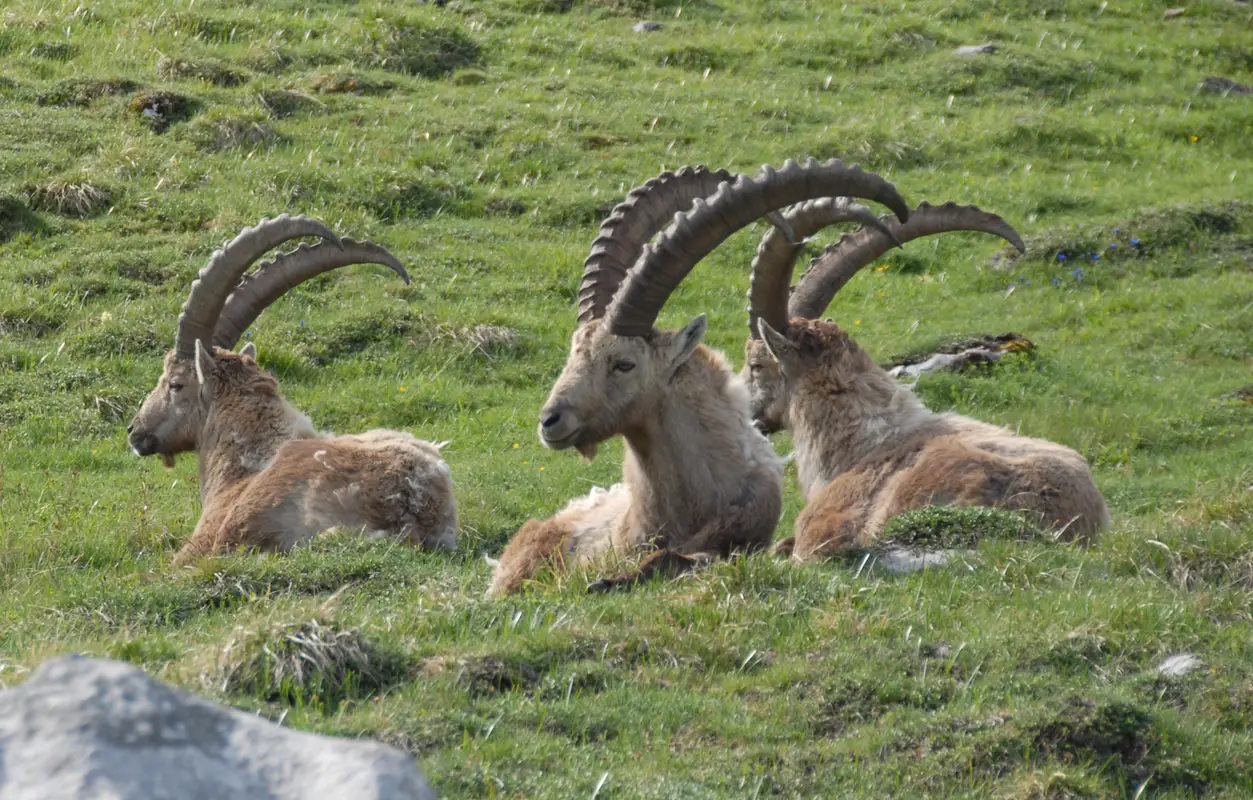
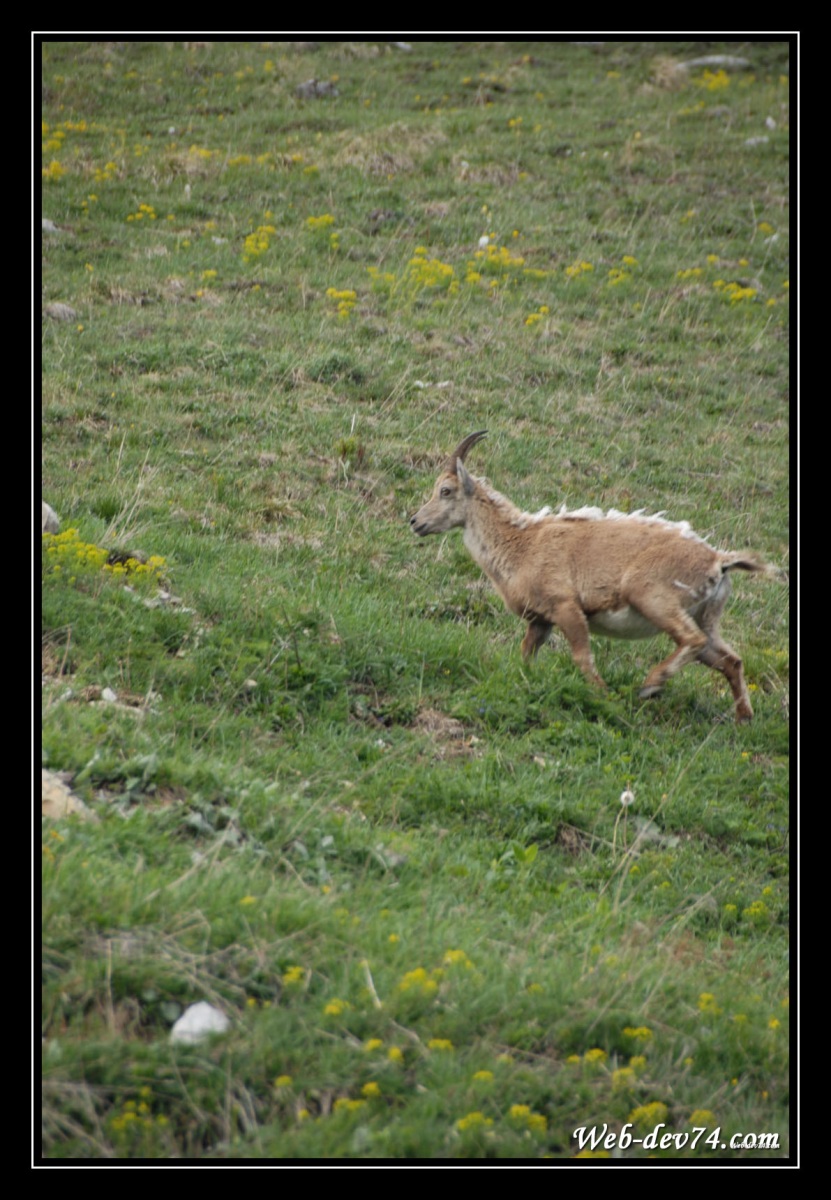
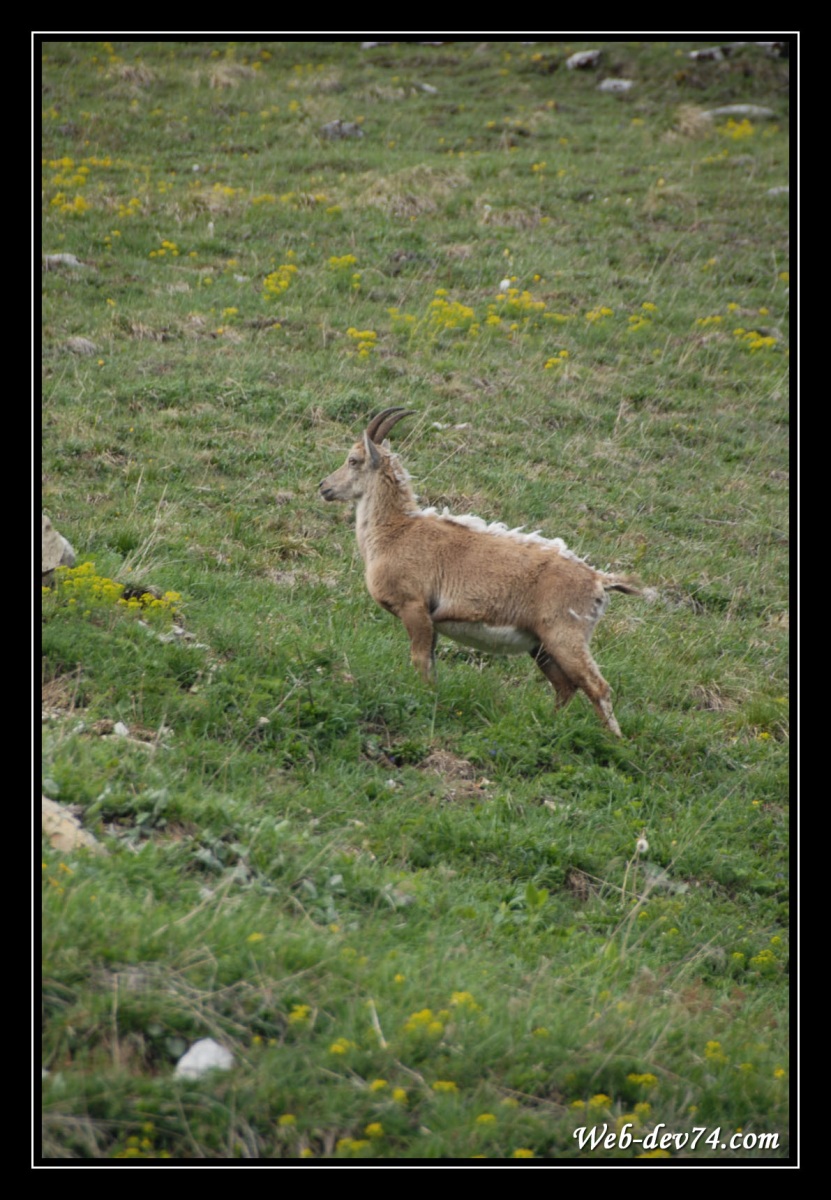
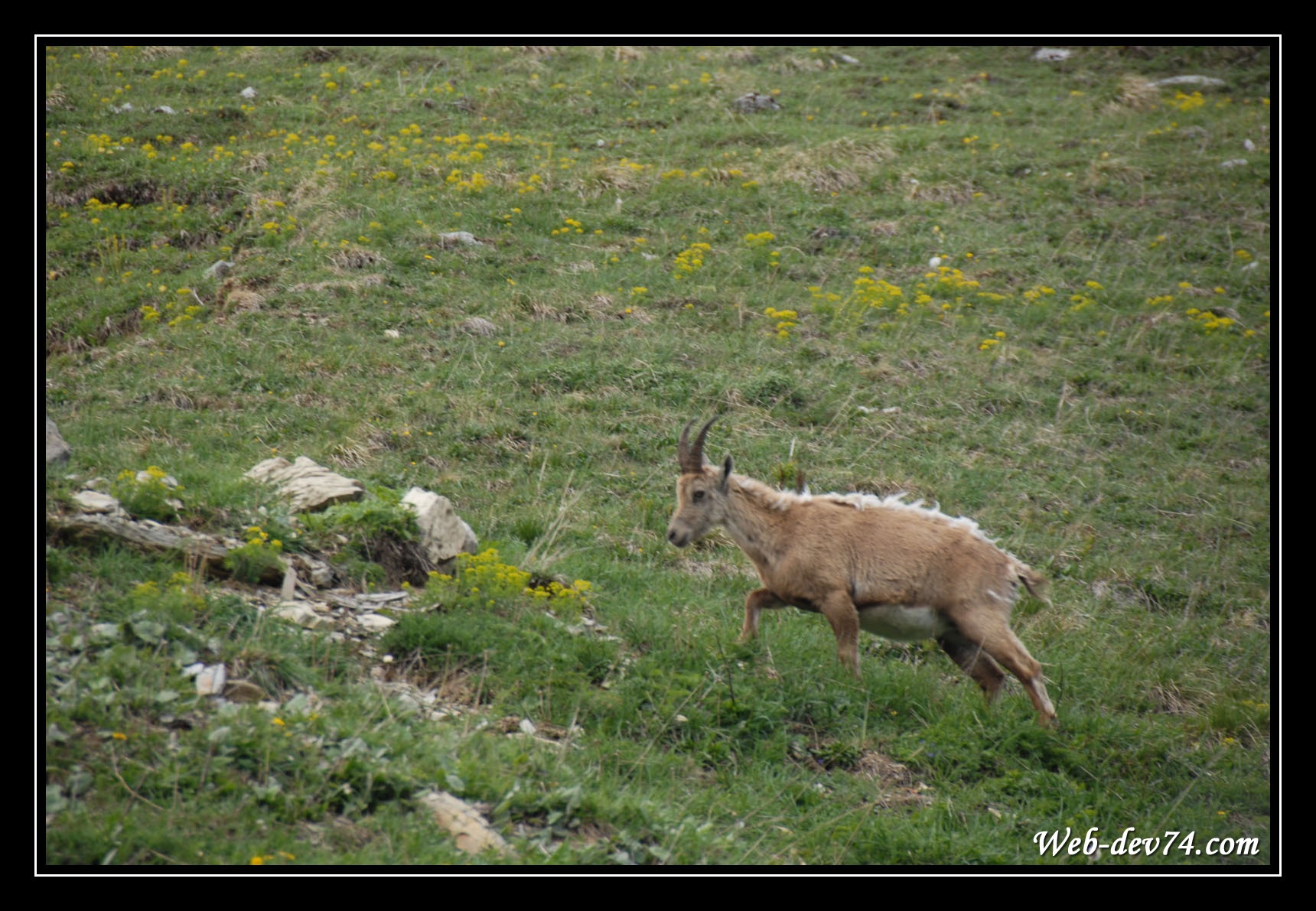
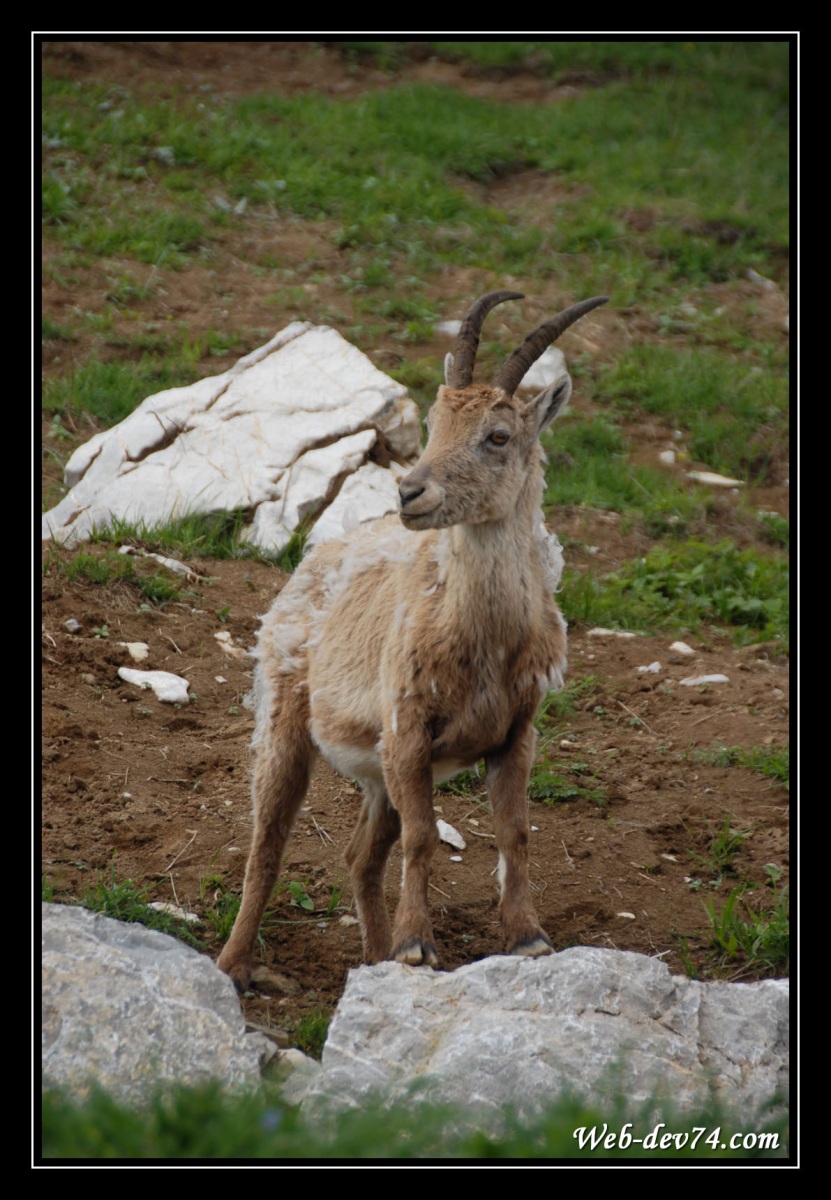
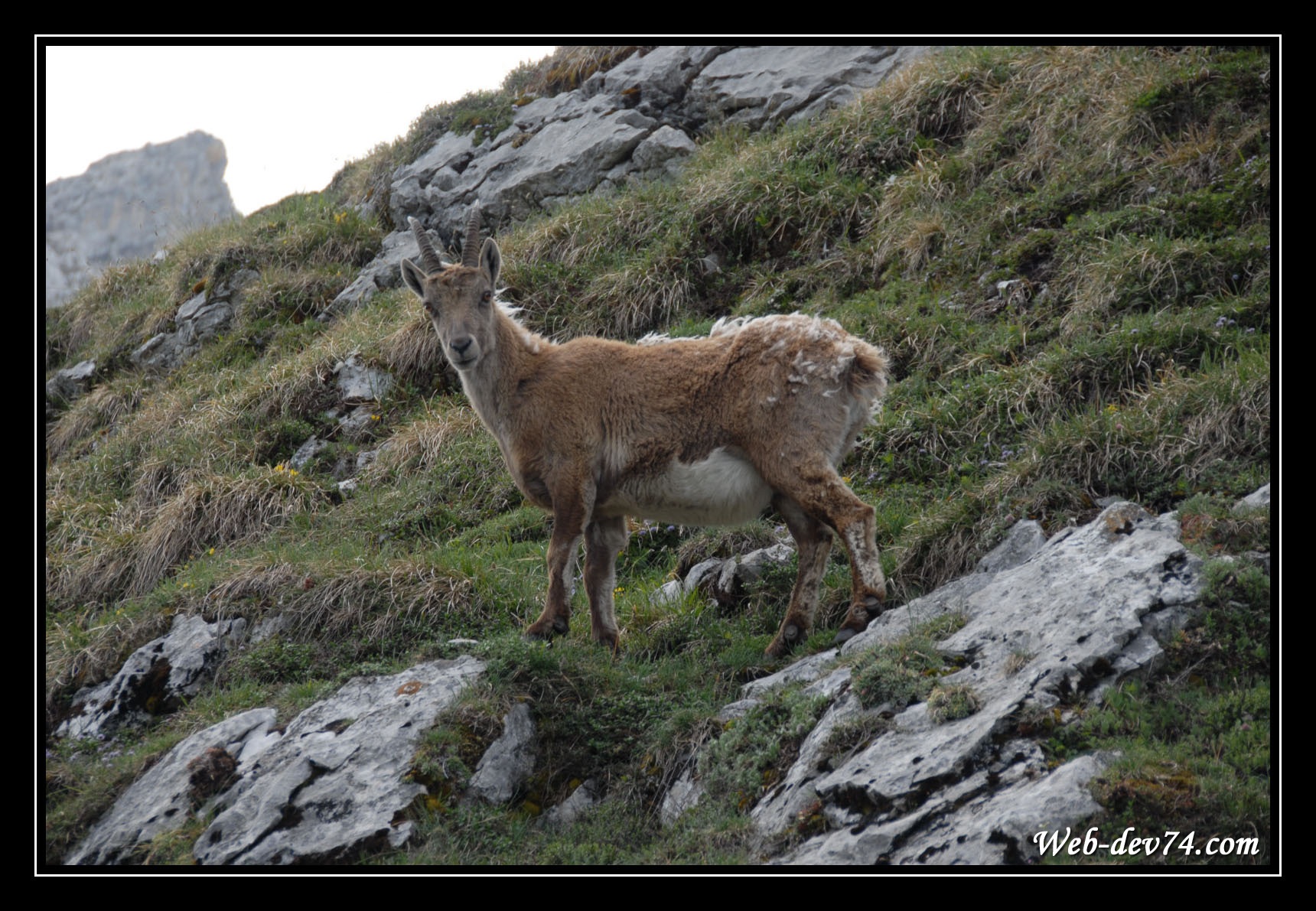
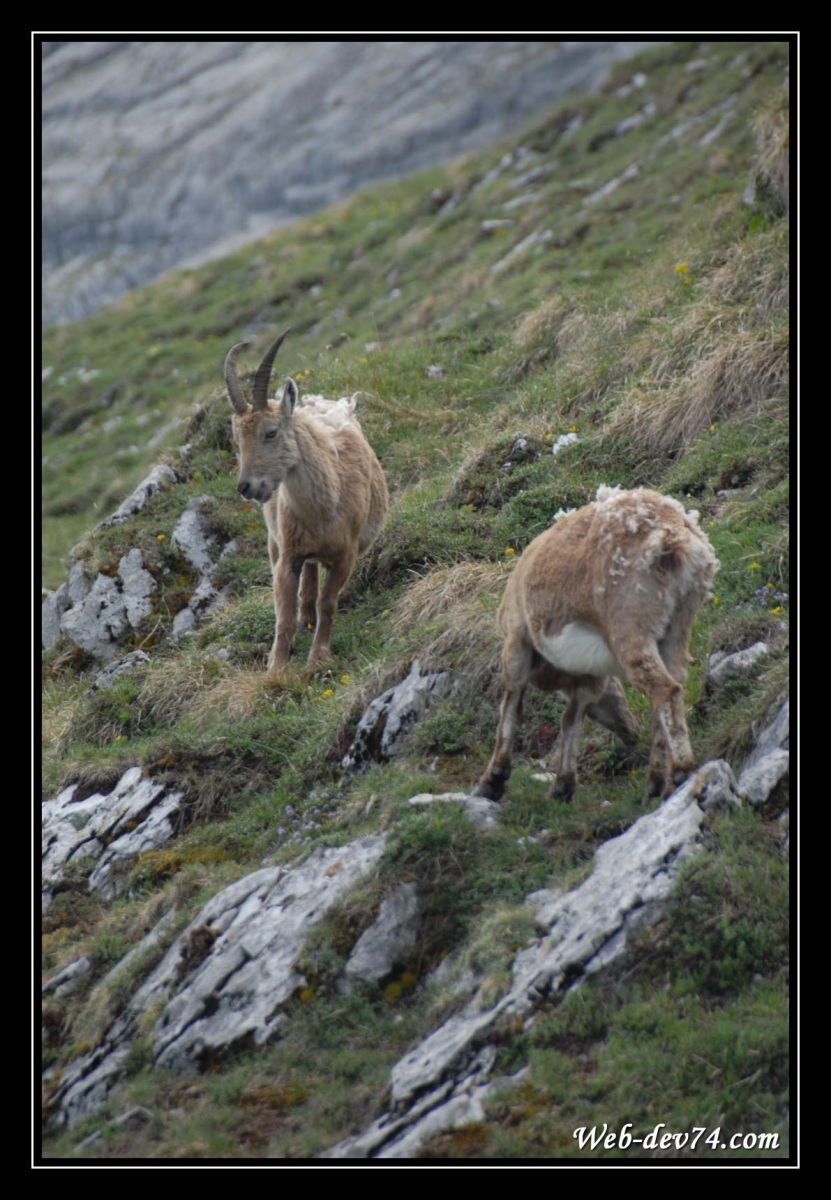
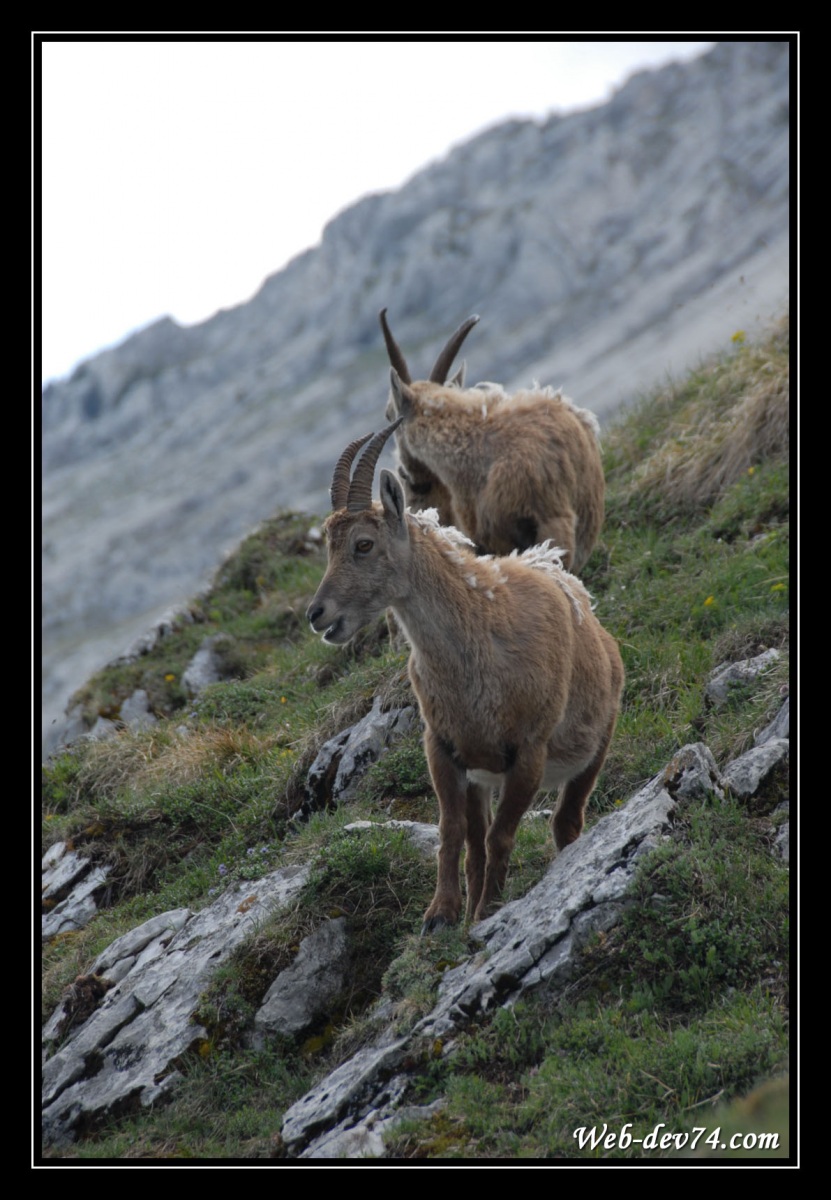
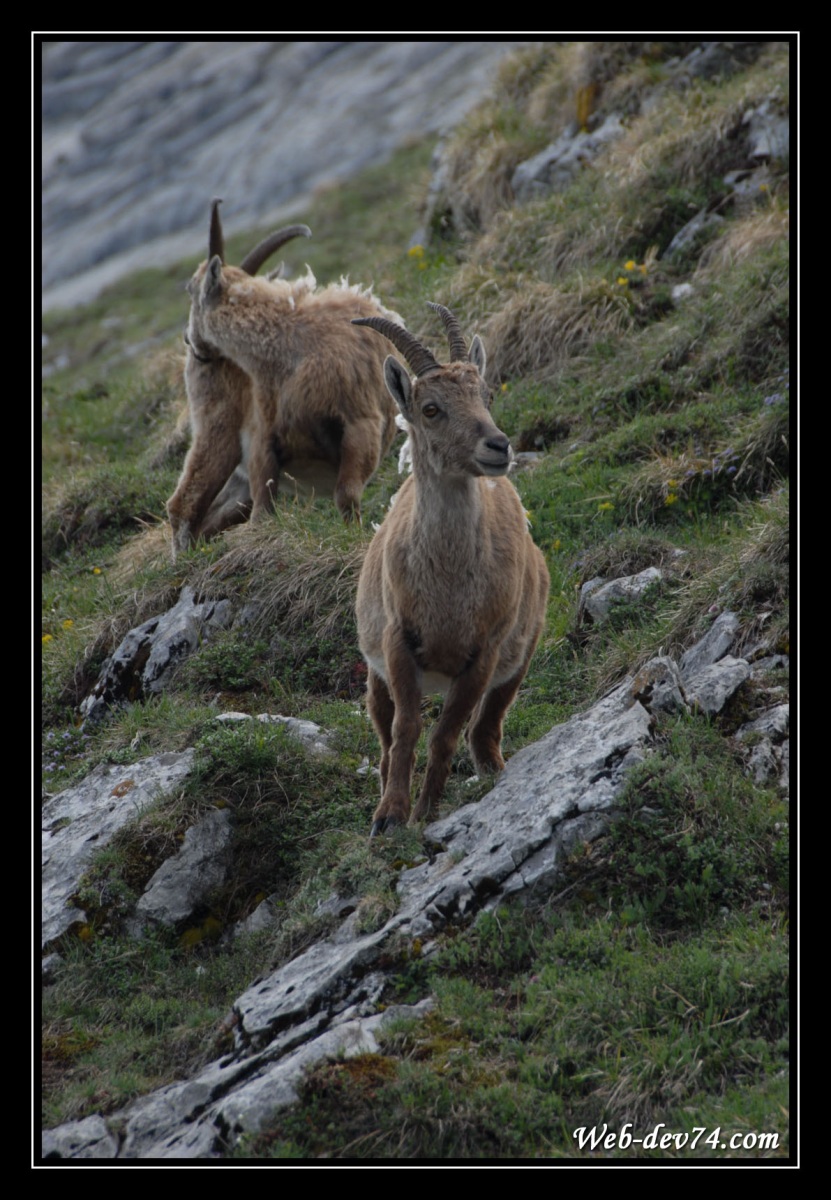
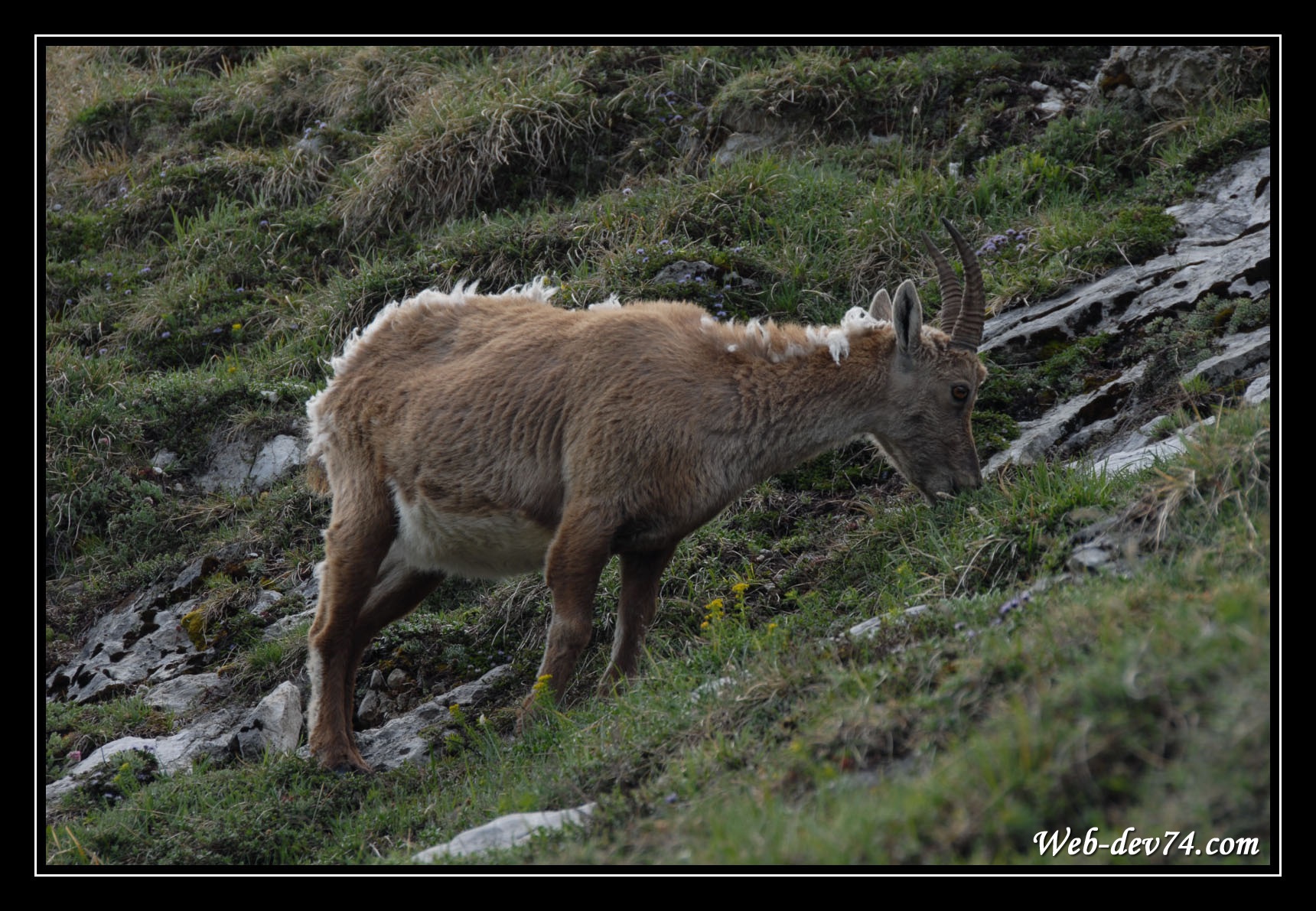
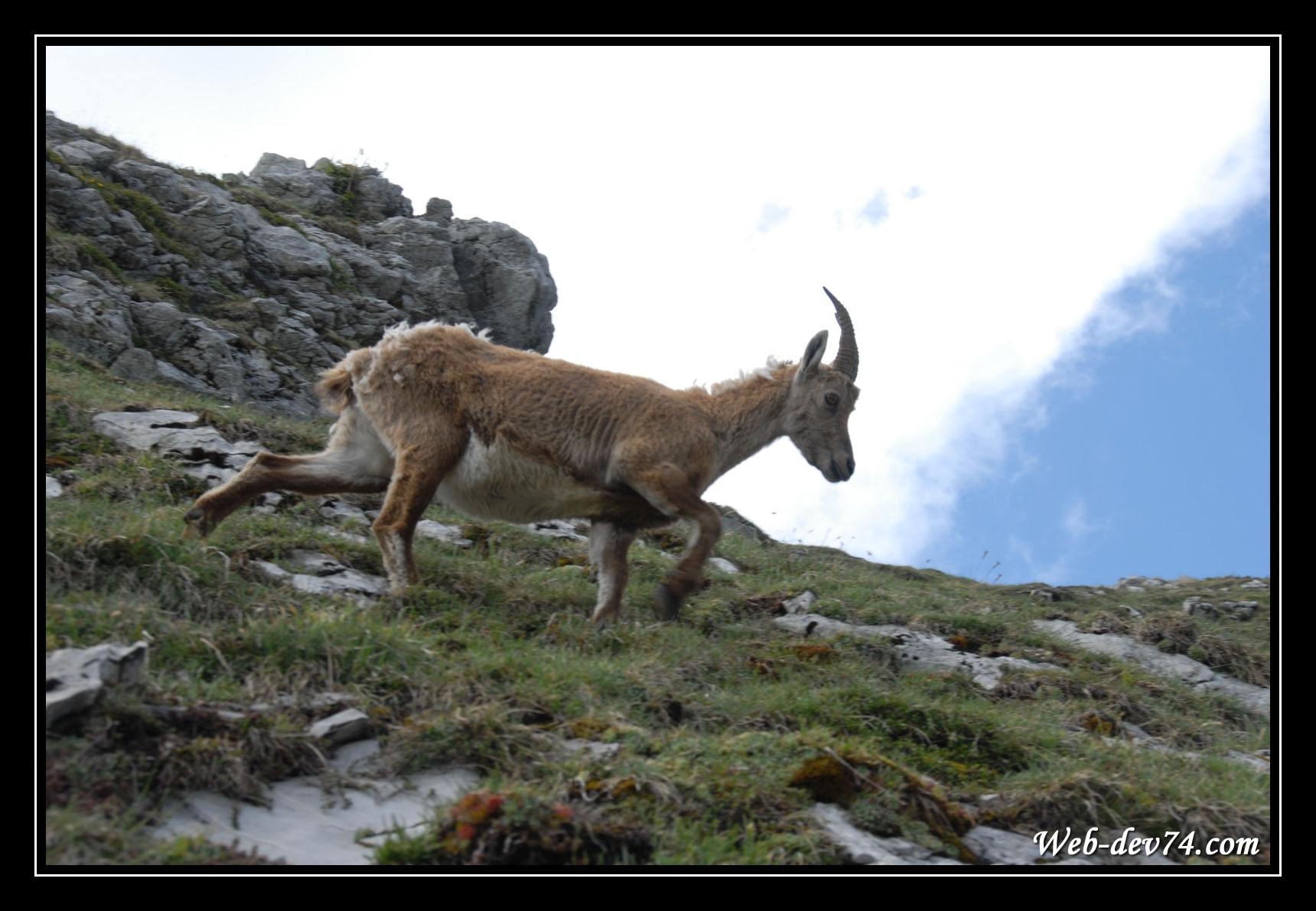
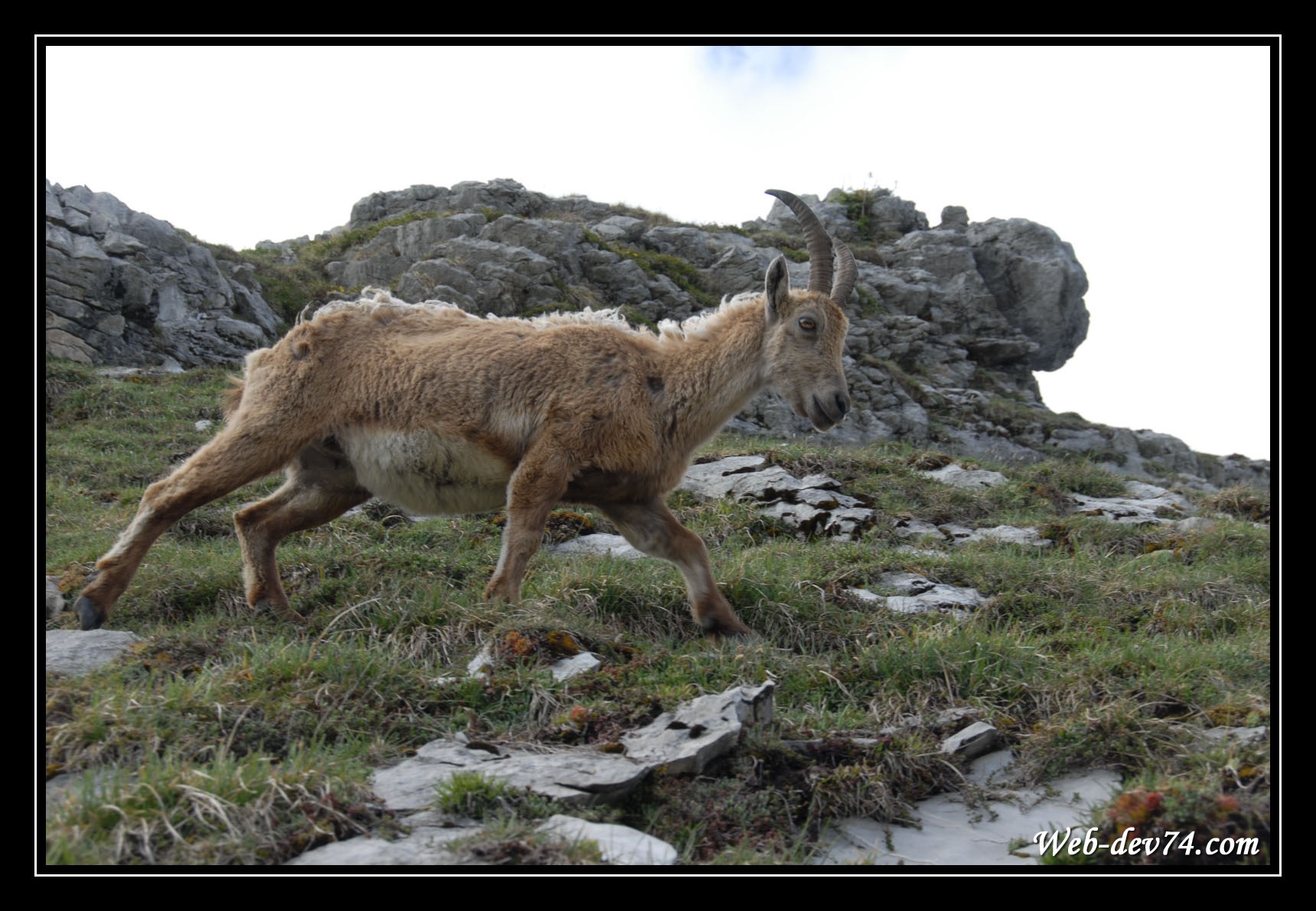
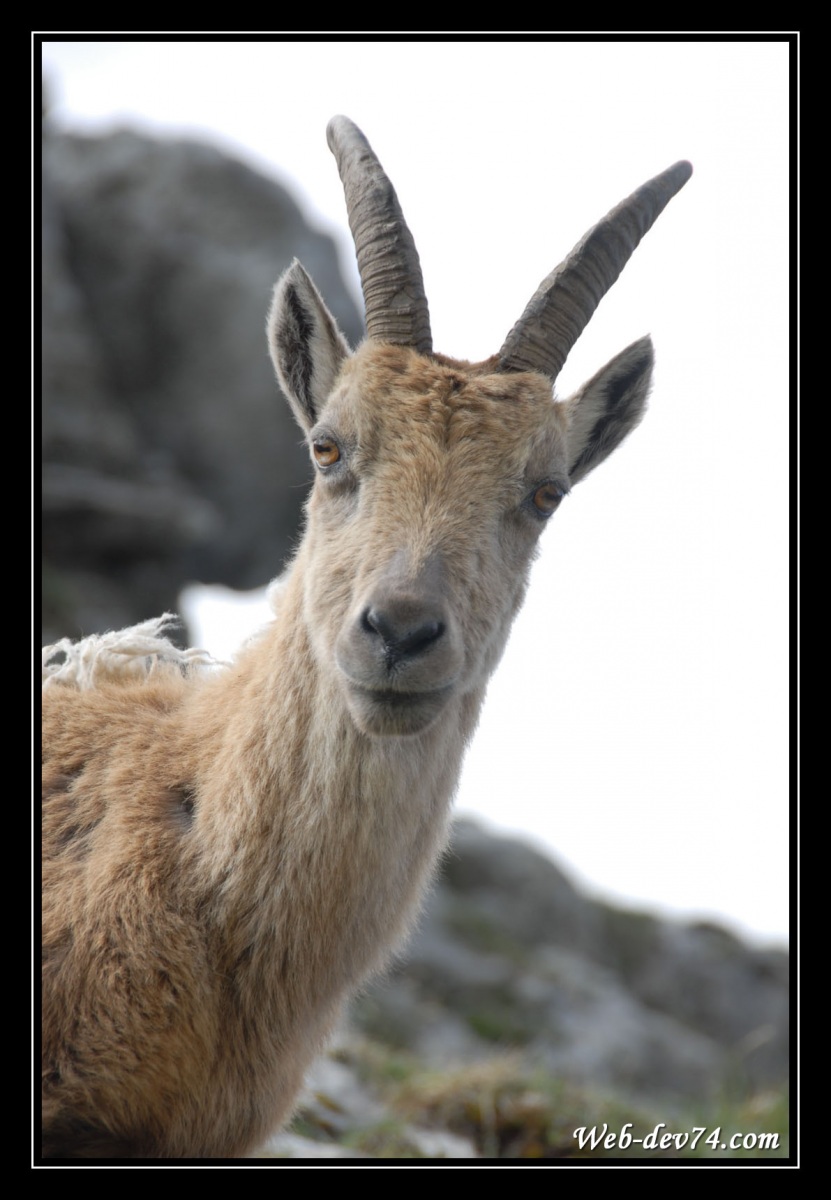
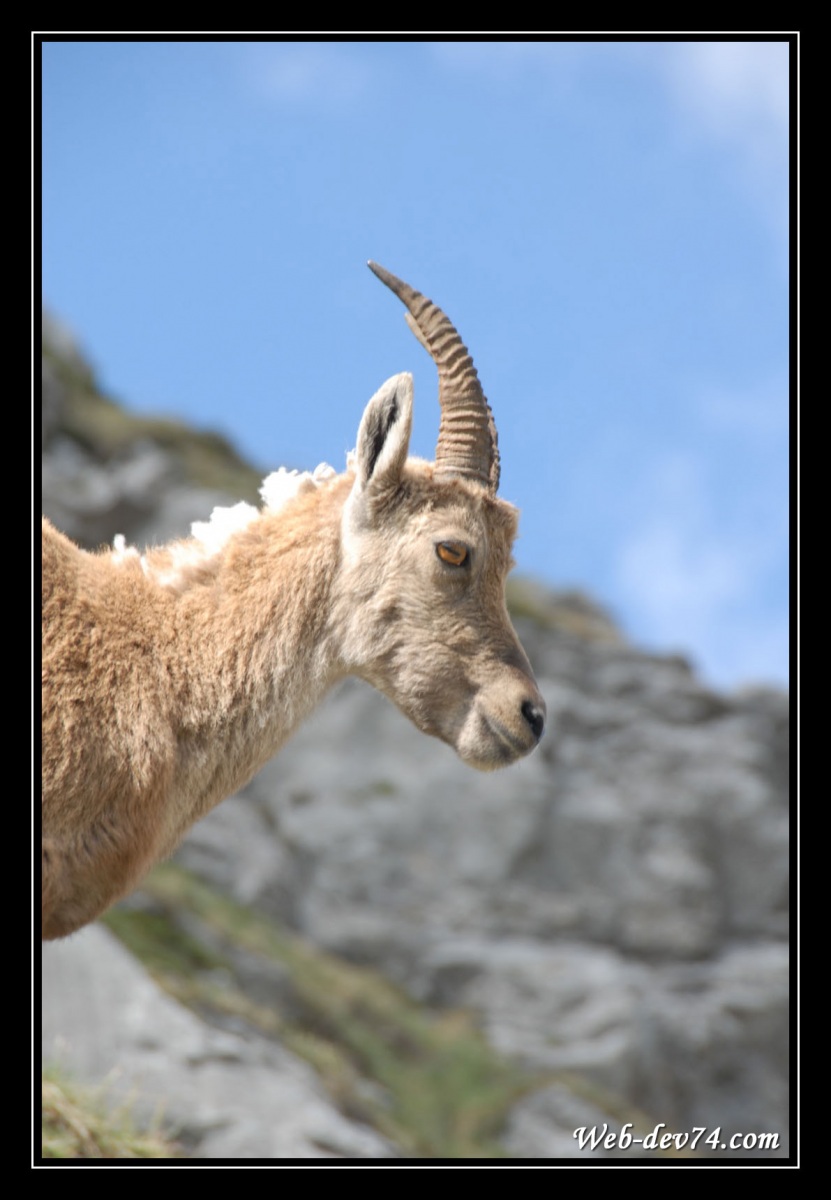
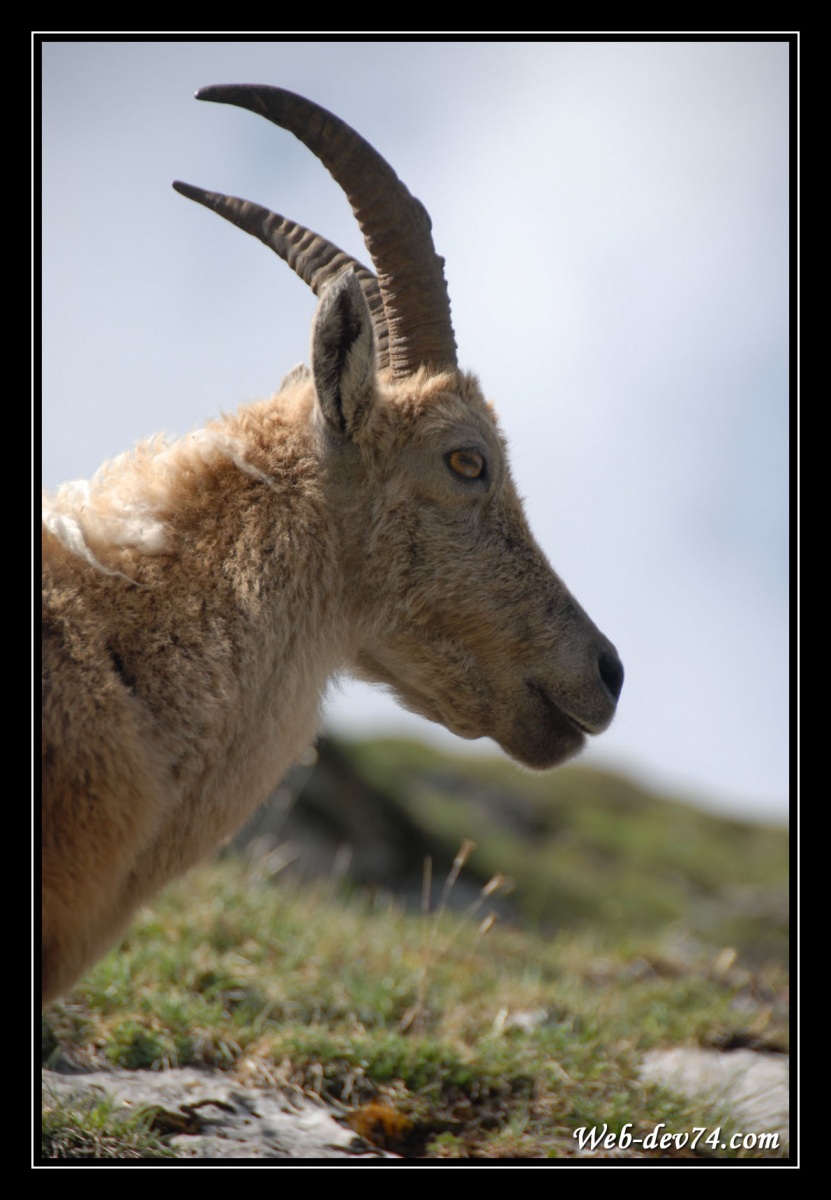
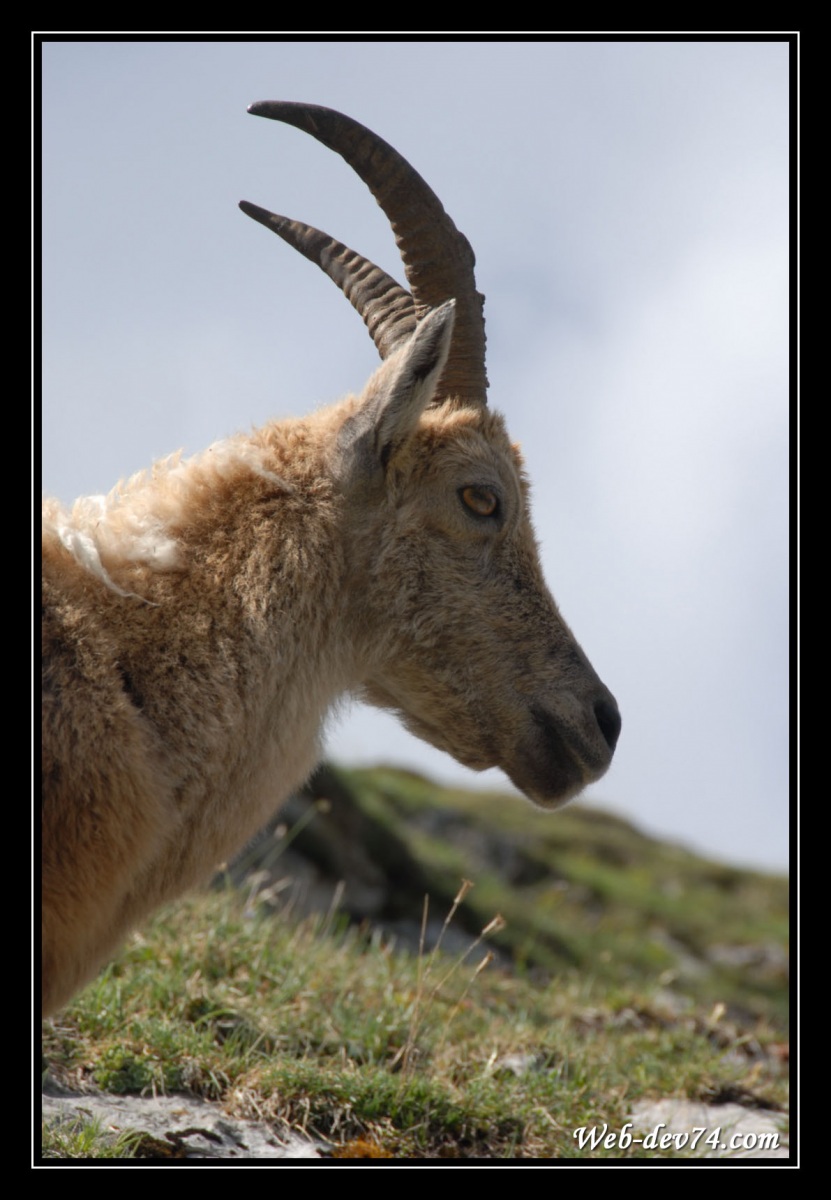
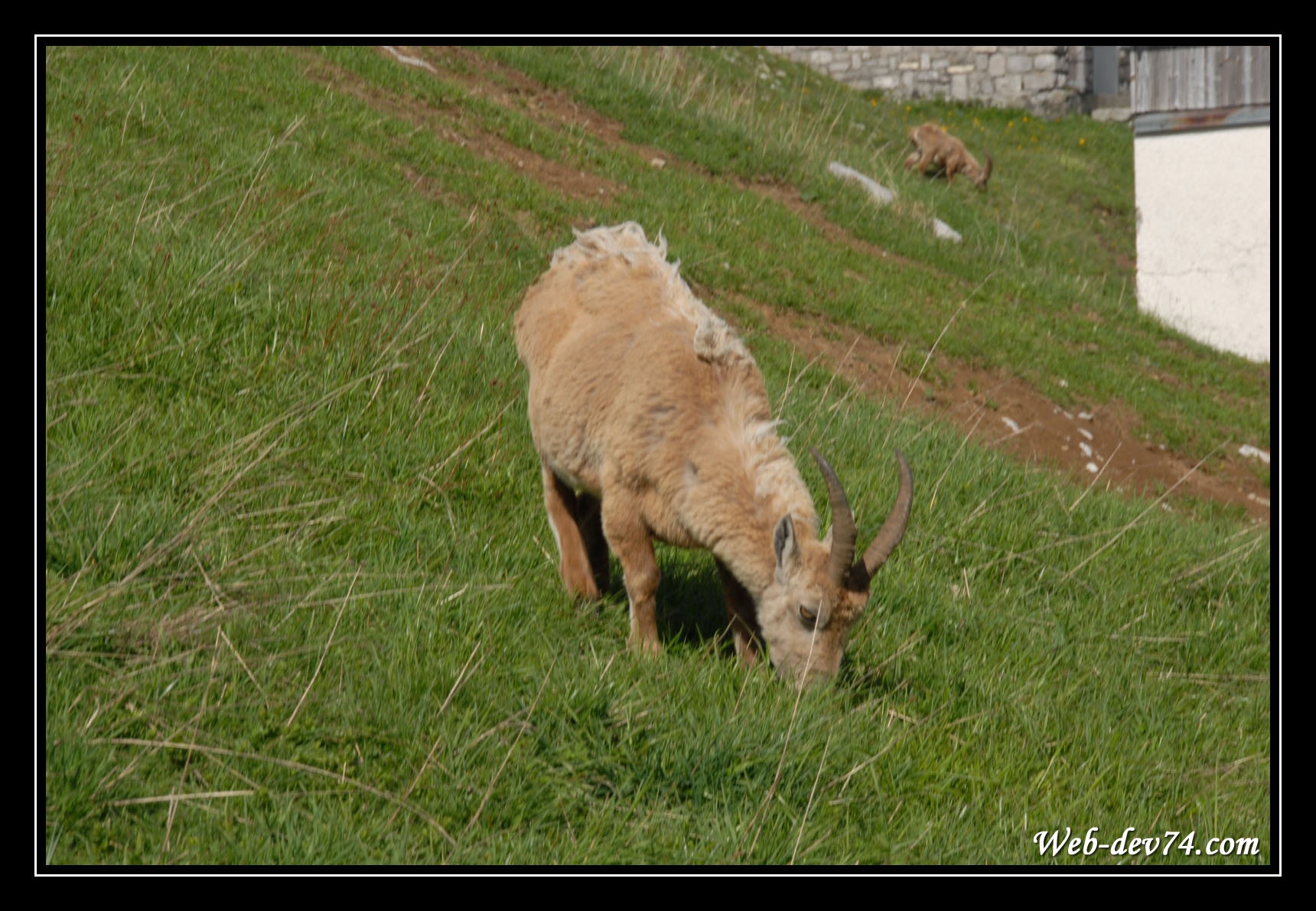
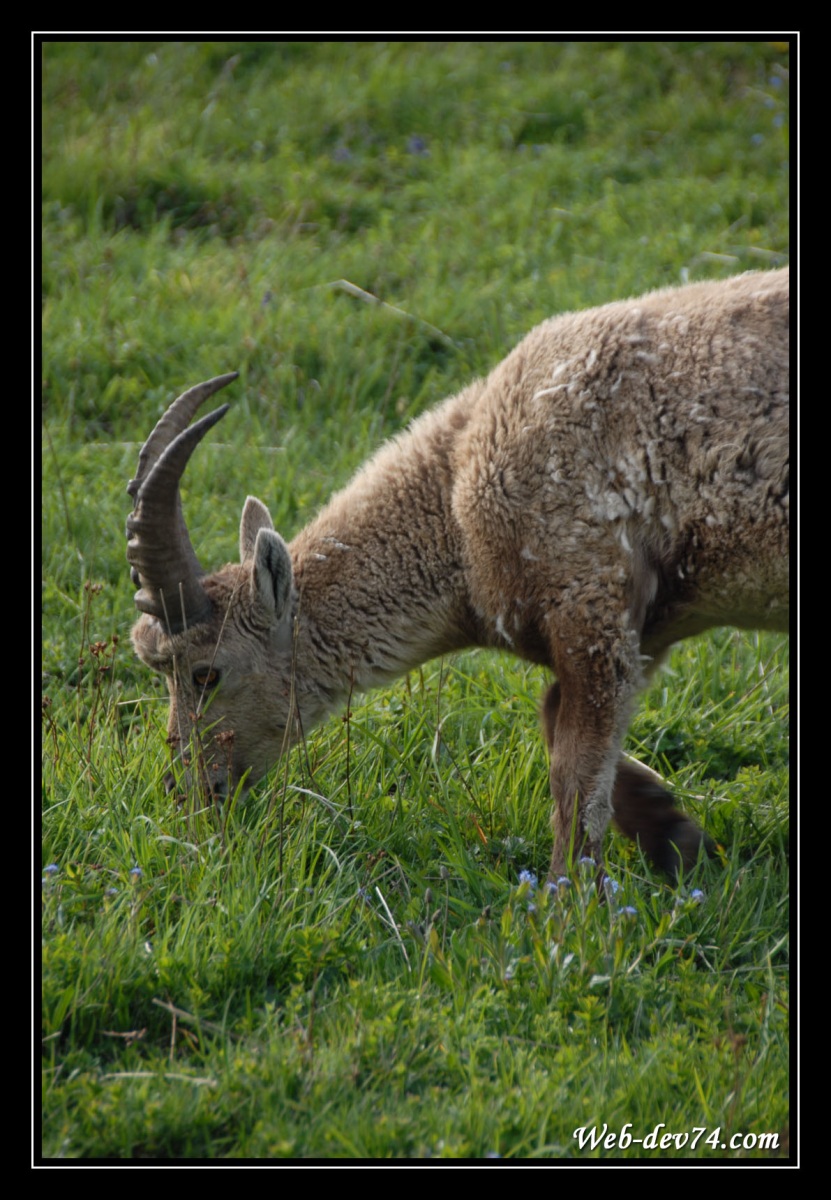
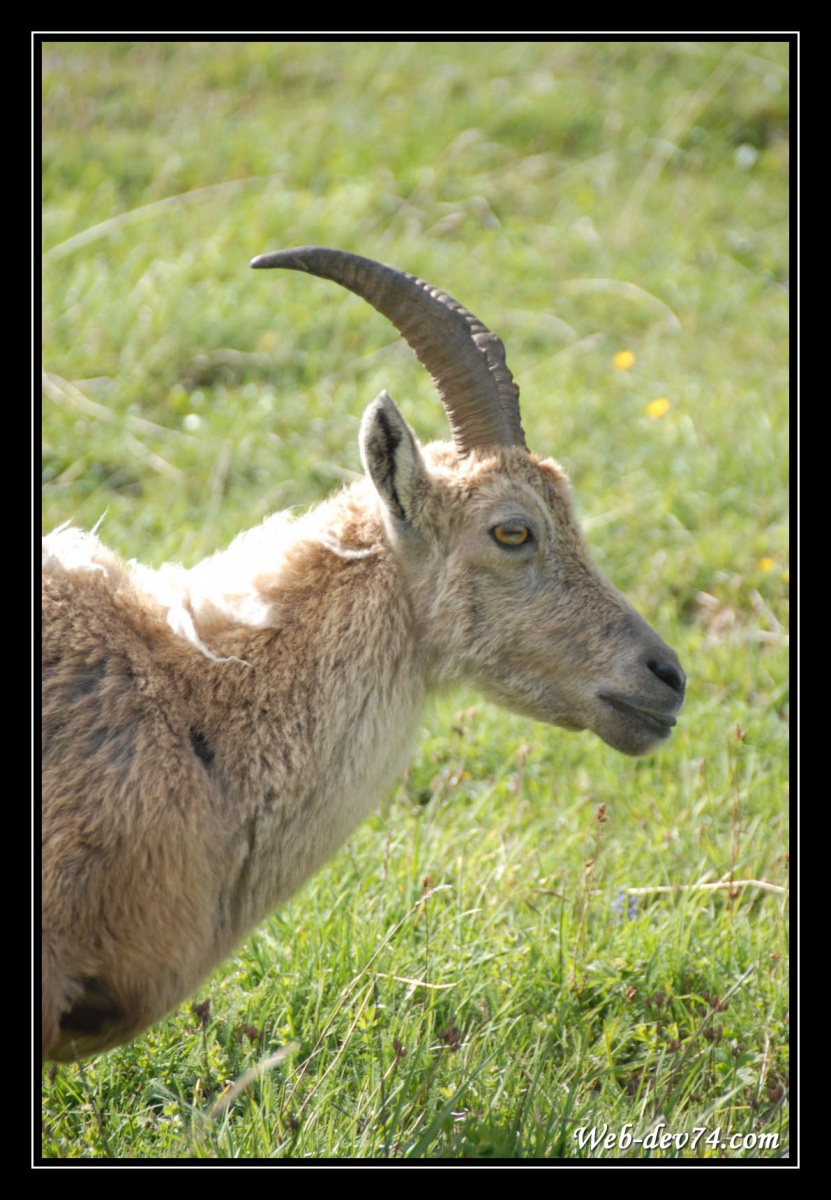
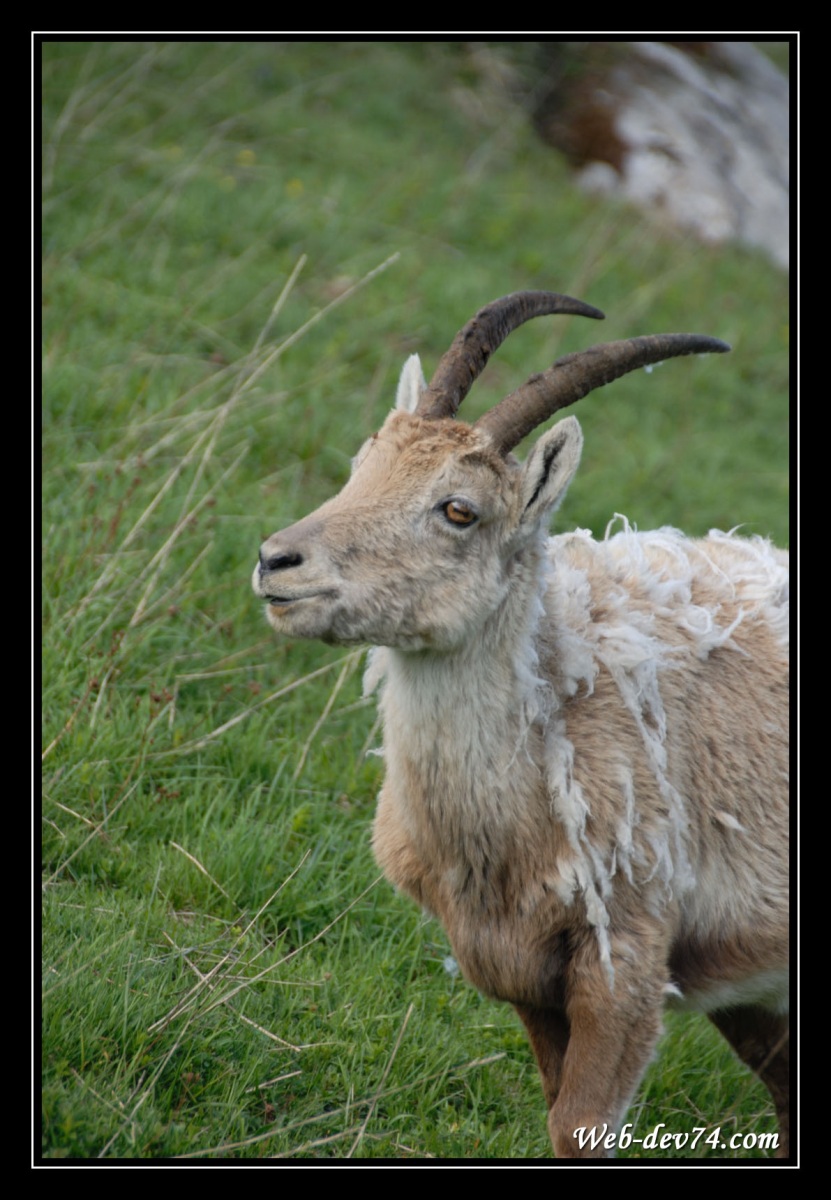
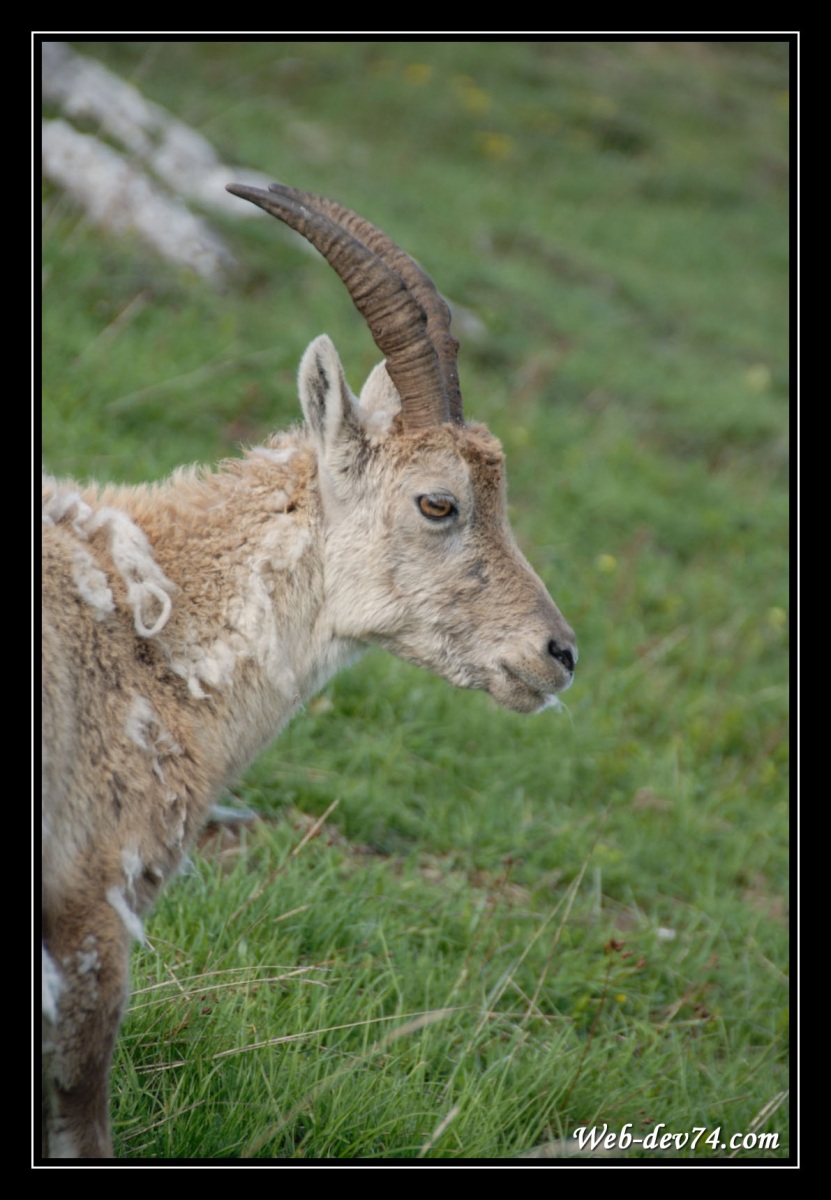
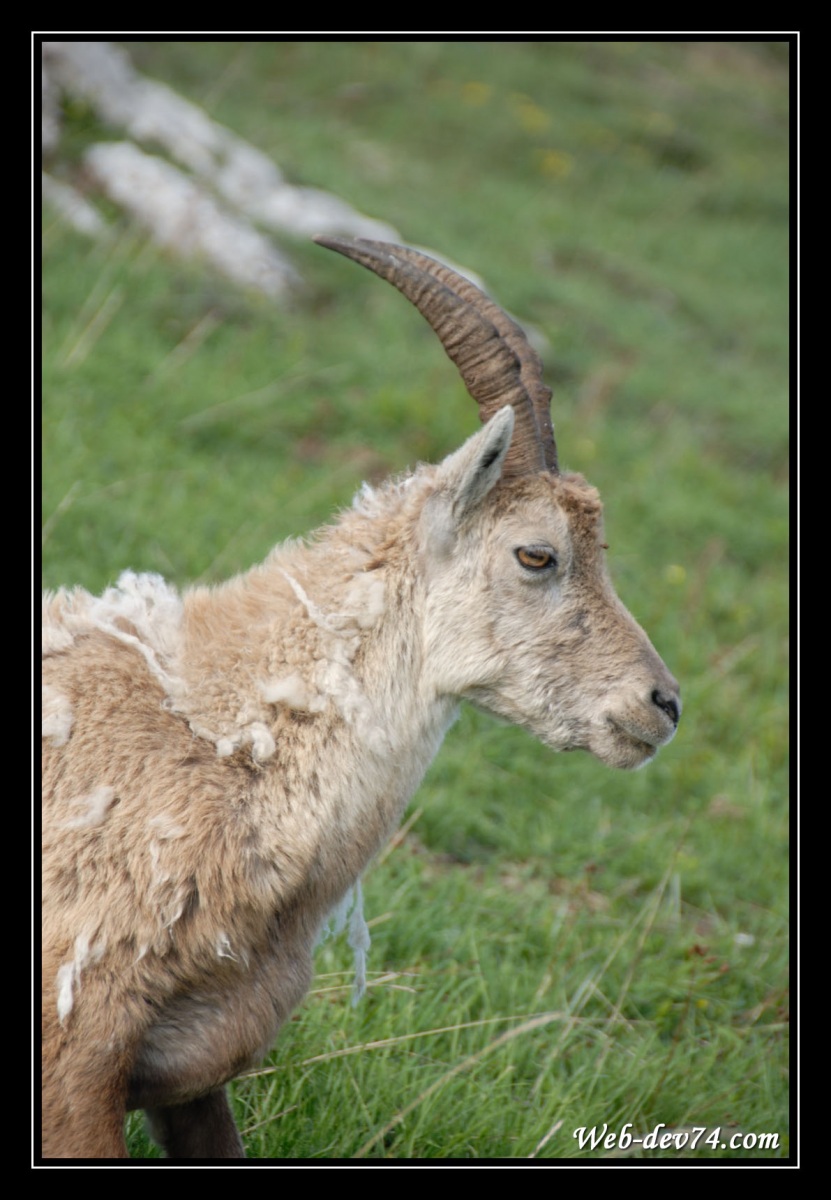
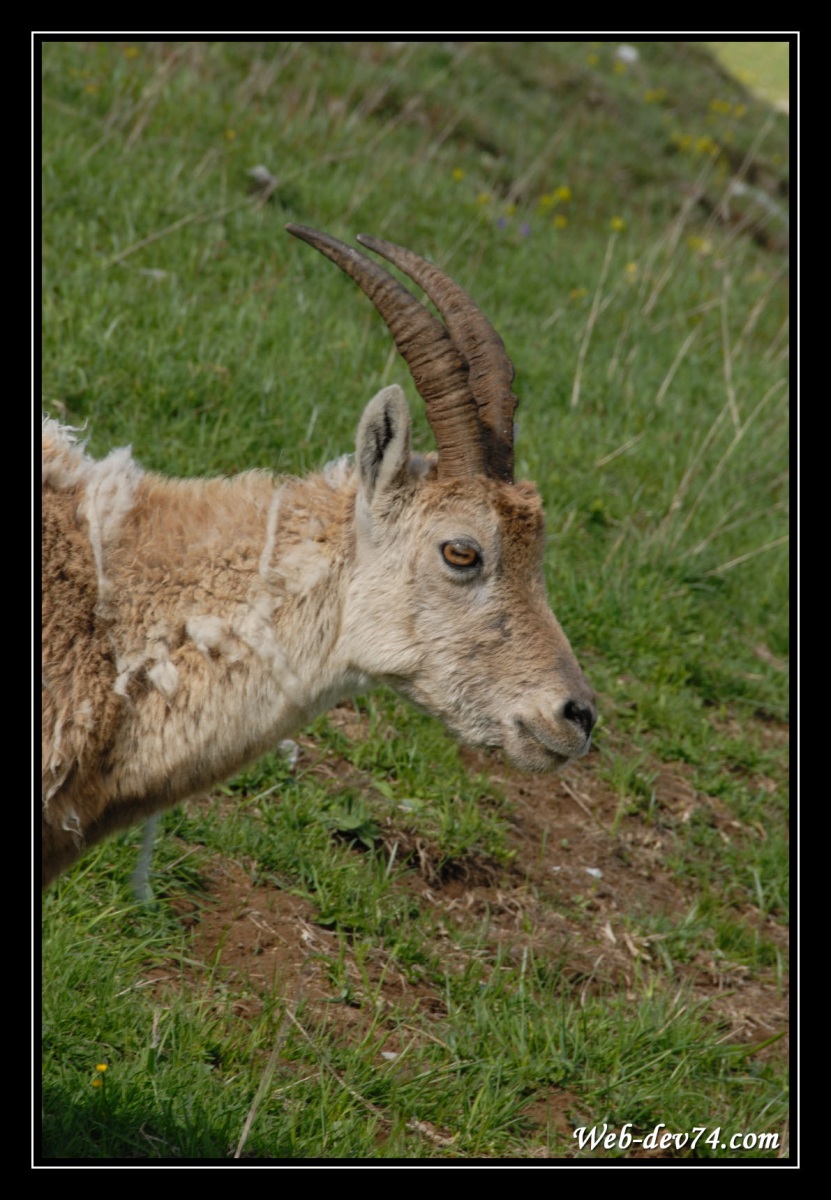
The Alpine ibex (Capra ibex) is an iconic high mountain mammal, easily recognizable by its large curved horns, which can exceed one meter in males, and its stocky silhouette. Found between 1,800 and 3,300 meters in altitude, it mainly lives in steep rocky areas, which it masters with surprising agility. A peaceful herbivore, it spends much of the day grazing or resting on inaccessible ledges.
The ibex came close to extinction in the 19th century before being successfully reintroduced into several Alpine massifs, including Haute-Savoie. Now protected, it symbolizes the success of conserving a once-threatened species. Observing a wild ibex is to approach the wild in its most noble and silent form. Here are some of the best places to spot it in Haute-Savoie, on hikes or in animal parks.
1. Aiguilles Rouges Nature Reserve (Chamonix)
The Aiguilles Rouges reserve, classified since 1974, faces the Mont-Blanc massif and is home to one of the most accessible ibex populations in the department. The animals find an ideal terrain here: limestone cliffs, grassy ledges, and relative tranquility outside peak visiting hours. It is also one of the few areas in Haute-Savoie where one can hope to encounter ibex, chamois, and newborn ibex (kids) in the same place in June-July, the period when females descend to give birth near protected rocky zones.
- Type : walk and hike.
- Hiking : Lac Blanc via the Chéserys Lakes
- Starting point : Flégère cable car in Chamonix
- Difficulty : moderate
- Duration : 4 hours round trip (excluding breaks)
- Elevation gain : about +500 m
- Special feature : Very beautiful views of Mont-Blanc, and frequent encounters with ibex on the ridges or near the lakes at dawn.
- Best period : from late June to September, when trails are free of snow and ibex enjoy the high-altitude pastures.
- Advice : choose quiet hours in the morning or late afternoon; the approach must remain discreet. The heavy tourist traffic at Flégère during the day often pushes animals toward more remote and less visible areas.
2. Sixt-Passy Nature Reserve (Giffre massif)
With over 9,000 hectares, Sixt-Passy is the largest nature reserve in Haute-Savoie and one of the richest in France for Alpine biodiversity. The Chalets de Sales trail, which runs along the Fer à Cheval cirque, crosses several vegetation levels before reaching the alpine pastures where herds of ibex usually descend at the end of the day, sometimes just a few dozen meters from the summer-active mountain chalets.
- Type : protected nature reserve.
- Fauna : ibex, chamois, marmots, cliff-nesting birds.
- Hiking : Chalets de Sales trail
- Access : Lignon parking lot (Sixt-Fer-à-Cheval), well marked route.
- Difficulty : easy to moderate
- Duration : 2 to 2.5 hours one way (3.5 hours round trip) excluding breaks
- Elevation gain : about +600 m
- Special feature : Accessible trail heavily frequented by families. Ibex often approach the refuge area, especially late in the day. Regulatory prohibitions (dogs, bivouac, picking). Many waterfalls on the route.
- Good to know : The Sales refuge serves as a supply and observation point; stopping there for a break significantly increases the chances of encountering a herd, as ibex are accustomed to calm human presence in this area.
3. Passy Nature Reserve (Fiz massif)
Less frequented than its neighbors, the Passy reserve offers a wilder setting between the Fiz cliffs and the Pormenaz massif. Ibex particularly occupy the scree slopes and rocky ledges overlooking the lake, terrain they share with a more discreet chamois colony. The diversity of traversed environments—forest, alpine pasture, scree, lake area—makes it one of the most complete hikes in the department for observing mountain wildlife.
- Type : fragile reserve between the Fiz and the Pormenaz massif.
- Fauna : ibex present along the edges of limestone cliffs.
- Hiking : Pormenaz Lake loop (Passy Reserve)
- Access : Arlevé bridge parking lot (Plaine Joux)
- Difficulty : moderate
- Duration : 5 to 6 hours loop
- Elevation gain : about +800 m
- Special feature : Very varied landscapes, crossing scree, lakes, and alpine pastures. Ibex are often visible on the steep slopes above the lake.
- Advice : prefer an early start, the loop is long and ibex are mostly visible before midday heat when they descend to graze before returning to cooler rocky areas.
4. Bargy Massif (Aravis, Grand-Bornand / Colombière area)
Bargy is a unique site in the history of the ibex in Haute-Savoie: it is where, in the 1970s, one of the main reintroduction operations of the species in the department took place, following its near disappearance in the 19th century. The massif was also at the center of a national controversy in the mid-2010s, when a brucellosis outbreak detected in the local population led to highly publicized and contested culling campaigns. Since then, the population has rebuilt and remains one of the densest and easiest to observe in the Aravis massif, on the rocky slopes overlooking the Colombière pass.
- Type : natural reintroduction area.
- Observation : ibex in semi-wild conditions on rocky slopes.
- Hiking : Combe de la Colombière – Bargy Massif
- Access : Colombière pass (Grand-Bornand)
- Difficulty : challenging
- Duration : minimum 3 hours round trip
- Elevation gain : about +800 m
- Special feature : Emblematic site of ibex reintroduction in Haute-Savoie. Very likely observation at dawn or dusk in scree and cliffs.
- Advice : Binoculars strongly recommended. Watch out for drops on some sections.
- Other option : hike to Peyre lake from the Colombière pass
5. Merlet Animal Park (Les Houches, Chamonix valley)
Merlet remains the most reliable solution to observe an ibex without depending on the weather, time, or luck: animals roam semi-freely over several hectares with Mont-Blanc as a backdrop, making it one of the most sought-after photo spots in the department. It is also the option best suited for families with young children or visitors wanting an educational approach rather than a demanding hike.
- Type : semi-free animal park at 1,500 m.
- Practical info :
- Accessible by car, shuttle from Les Houches, or on foot (2–3 hours hike from the center).
- Animals observable (ibex, chamois, sika deer, marmots…).
- Audio-guided visit available in several languages.
- Educational activities in summer, picnic area, shop, and small restaurant.
- More information: Le Parc de Merlet
6. Vanoise National Park (Savoy side)
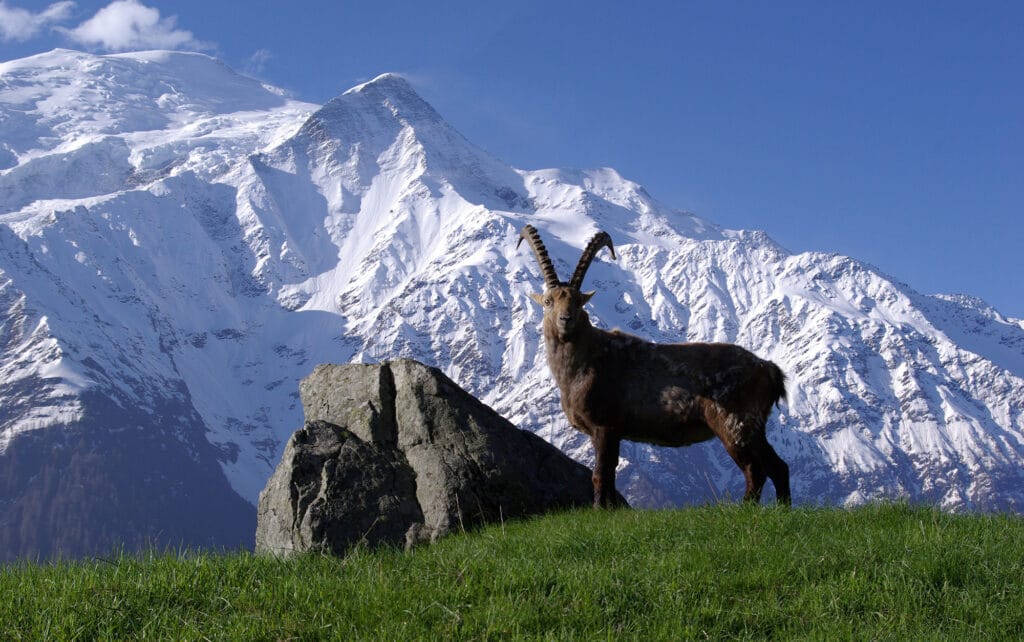
Created in 1963, Vanoise National Park is historically the very first French national park, founded largely to protect the Alpine ibex population that had nearly disappeared from this area. It is now one of the safest strongholds of the species in France, with populations much higher than those in the Haute-Savoie massifs, making it a complementary excursion for those wishing to extend their stay on the Savoie side.
- Type : national park renowned for its ibex.
- Key areas : Leisse valley, Vanoise pass, Pralognan-la-Vanoise.
- Hikes : various marked trails, some guided excursions led by naturalist park rangers.
- Good to know : guided outings with a park ranger often offer the best observation guarantees, with insights into herd behavior (hierarchy, vigilance, resting areas) impossible to obtain alone.
Observation tips
- Ideal period : summer – autumn (July to October). Rutting begins in early December, with male duel behaviors visible from afar.
- Respectful behavior : do not approach the animals, stay silent, use binoculars or a telephoto lens to preserve their tranquility.
- Bring suitable clothing, water, and a guide if needed.
Recommended equipment:
- Binoculars (8x to 10x magnification)
- Camera with telephoto lens (minimum 200 mm)
- Hiking boots
- Water, snacks, windbreaker
- IGN map or offline GPS app (Visorando, IGN Rando, AllTrails…)
Summary
| Location | Type | Access / Hike | Practical info |
|---|---|---|---|
| Aiguilles Rouges (Chamonix) | Nature reserve | Hike to Lac Blanc / Chéserys (moderate) | Good chance to see wild ibex |
| Sixt-Passy | Nature reserve | Chalets de Sales (~2 h, +700 m) | Well marked, regulated |
| Passy (Fiz / Pormenaz) | Nature reserve | Various routes (lakes, ridges) | Varied environments, rich fauna |
| Bargy (Aravis) | Wild reintroduction | Mountainous routes, sometimes technical | Very wild, guide recommended |
| Merlet (Les Houches) | Animal park | Short hike or shuttle + visit | Family-friendly, for all visitor levels |
| Vanoise Park | National park | Hikes around Pralognan or pass | Possible supervision, well protected fauna |
By exploring these sites, amateurs and enthusiasts will have the chance to observe the ibex in all its splendor. Whether you prefer immersion in the wild or a more accessible visit, Haute-Savoie offers a rich terrain for observing this emblematic species.
To read: Where to see marmots in Haute-Savoie
FAQ
When to see ibex in Haute-Savoie? The best period ranges from July to October, when the alpine pastures are free of snow and ibex graze during the day on grassy slopes. Observations are easier early in the morning or late afternoon, when the animals are most active. In December, the rut period offers another observation window, with males visible from a distance during their horn fights, but access to the massifs is much more limited due to snow at that time.
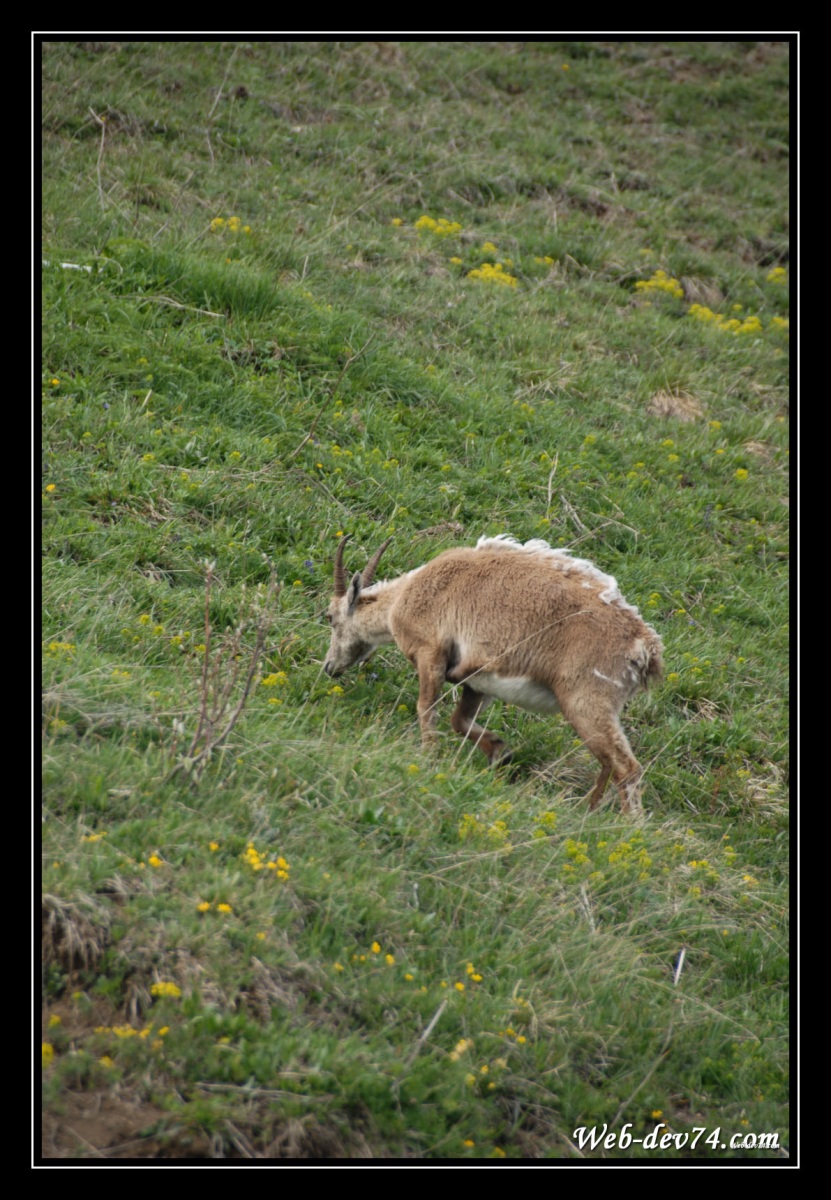
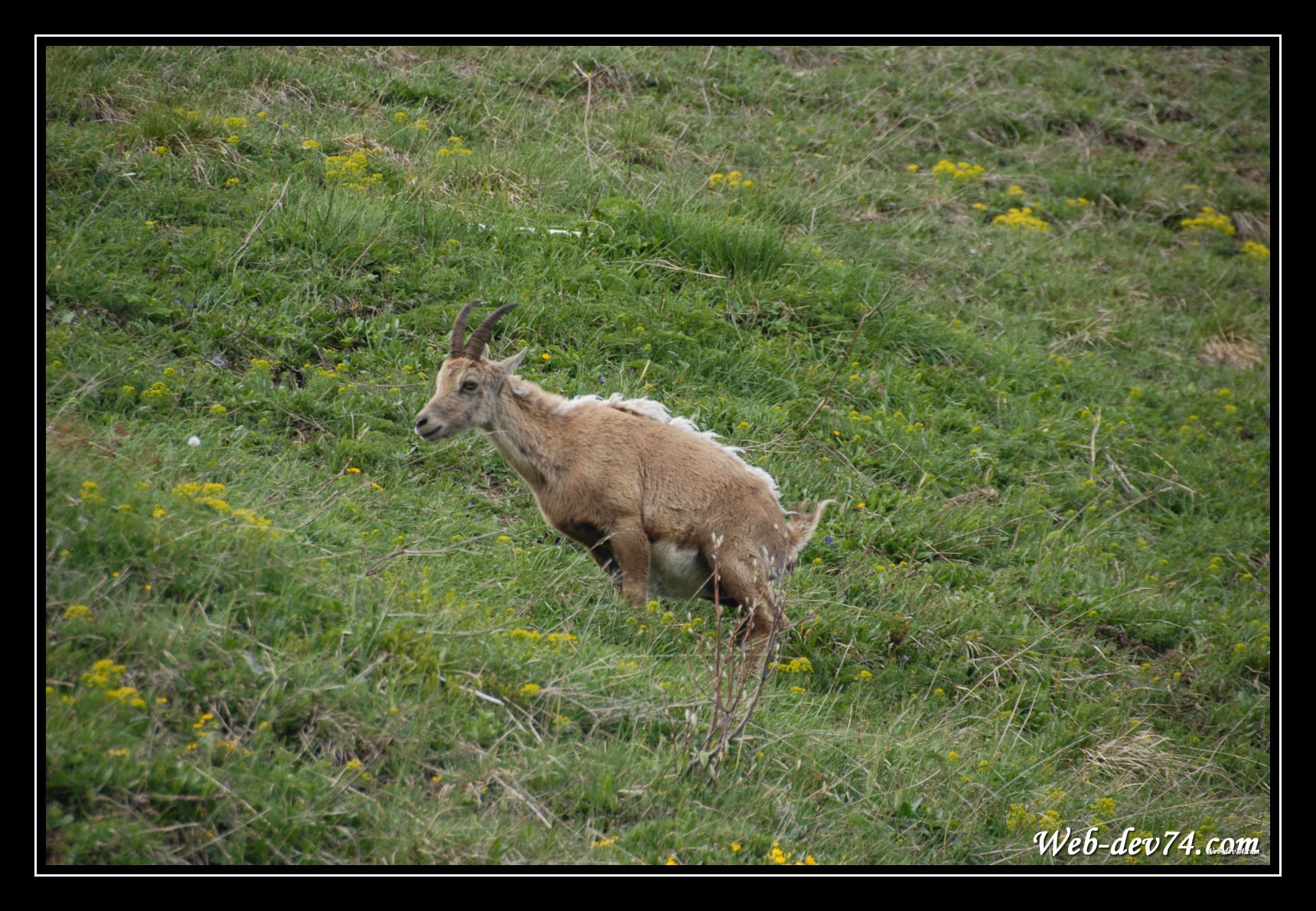
What is the difference between an ibex and a chamois? The ibex is bulkier, with large backward-curved horns that can exceed one meter in adult males. The chamois is slimmer, with short hook-shaped horns, and is generally more mobile and more wary. Both species often coexist in the same Haute-Savoie massifs, notably in the Aiguilles Rouges and Sixt-Passy reserves.
Can we see ibex with family, including young children? Yes, several options are suitable for families. The Merlet Animal Park (Les Houches) guarantees semi-free observation without strenuous hiking, while the Chalets de Sales trail (Sixt-Passy) remains accessible to children accustomed to walking, with a good chance of spotting herds near the end of the route.
Where to see ibex near Annecy or Chamonix? From Chamonix, the Aiguilles Rouges reserve (access via Flégère cable car) is the closest and most accessible option. From the Annecy basin, more driving is required: the nearest sectors remain the Bargy massif (Aravis) and the Sixt-Passy reserve, about an hour’s drive from Lake Annecy.
Is it dangerous to observe ibex in the mountains? The ibex is not an aggressive animal towards humans and usually flees any too-close approach. The main risk concerns the terrain: the best observation sites are often near cliffs, scree fields, or steep ledges, where caution on the trail is more important than the presence of the animals themselves. It is recommended to keep your distance, avoid feeding or approaching herds, and use binoculars rather than trying to get closer.