


Off-piste skiing and avalanche danger: do you really have the right to be forbidden from leaving the slopes?

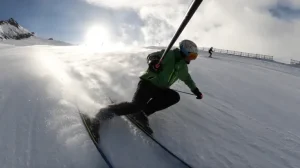
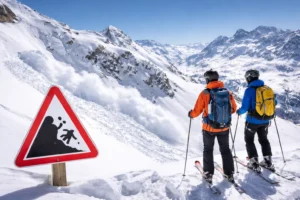
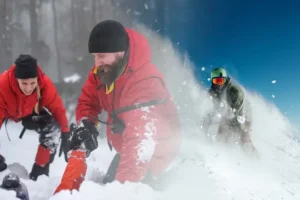
While the French mountain ranges face significant snowfall episodes, the question of mountain safety comes back to the forefront. Every year, despite level 4 or 5 warnings on the avalanche risk scale, many skiers continue to venture into the powder, off the marked trails. The most recent accidents confirm this trend. But faced with danger, … Learn more

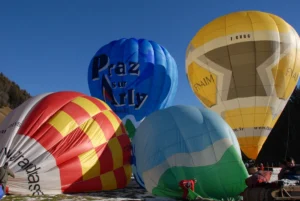
The Montgolfiades of Praz-sur-Arly: a unique aerial festival in the Alps from January 10 to 18, 2026

Every year in the heart of winter, the charming village of Praz-sur-Arly in Haute-Savoie transforms into an aerial stage for the Montgolfiades Internationales: a spectacular event where hot air balloons color the sky of the Alps and offer visitors an extraordinary show. In 2026, the 35ᵗʰ edition will take place from Saturday, January 10 to … Learn more

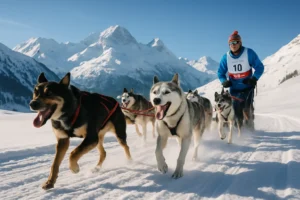
La Grande Odyssée 2026: A Captivating Journey Through the Alps and the Magic of Sled Dogs

grande odyssée 2026

Date : From Saturday, January 10 to Thursday, January 22, 2026 A Unique Sporting Event in Europe La Grande Odyssée 2026, considered the most demanding sled dog race on the continent, once again establishes itself as one of the must-attend events of the Alpine winter. Starting Saturday, January 10, the majestic landscapes of Auvergne-Rhône-Alpes will … Learn more

Garage sales, fairs, flea markets & wardrobe clear-outs in Haute-Savoie in January 2026

brocante et vide grenier en haute-savoie

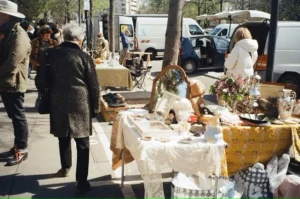
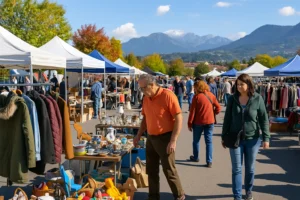
Last updated: 01/03/2026 Here is an overview of the garage sales, flea markets, wardrobe clearances, and fairs organized in the month of January 2026 in Haute-Savoie. After a busy holiday season, January is generally quite calm regarding fairs and garage sales. Nevertheless, there are still some opportunities to make good deals and discover treasures. Event … Learn more

Garage sales, fairs, flea markets & wardrobe clear-outs in Haute-Savoie in January 2026

brocante et vide grenier en haute-savoie

Last updated: 01/03/2026 Here is an overview of flea markets, second-hand sales, wardrobe clearings, and fairs organized in the month of January 2026 in Haute-Savoie. After a busy holiday period, January is usually quite quiet in terms of fairs and flea markets. Nevertheless, there are still some opportunities to find great deals and uncover treasures. … Learn more

Garage sales, fairs, flea markets & wardrobe clear-outs in Haute-Savoie in December 2025

vide greniers et brocante en Haute-Savoie

Last updated: 24/11/2025 Here is an overview of the flea markets, second-hand sales, clothing swaps, and fairs organized in the month of December 2025 in Haute-Savoie. The month of December is generally very quiet regarding fairs and flea markets, making way for Christmas markets. Nevertheless, there are still a few opportunities to find good deals … Learn more

What to do in Haute-Savoie during the Christmas holidays?

Ah, Haute-Savoie… that little corner of paradise where the mountains embrace the sky and where the magic of Christmas blends with the pure Alpine air. Whether you are a holidaymaker or a Savoyard at heart, here is a magical guide to fully enjoy the Christmas holidays 2024. Between snowy landscapes, local traditions, and sparkling festivities, … Learn more

The Great Medieval Festival of Andilly 2025

Les médiévales d'Andilly

The Grandes Médiévales d’Andilly 2025: A Journey Through Time Not to Be Missed! Every year, in the heart of Haute-Savoie, the Grandes Médiévales d’Andilly transport thousands of visitors to the era of knights, troubadours, and craftsmen of old. For this 2025 edition, get ready to live a unique immersive experience within an enchanting setting! An … Learn more

The 2026 Christmas markets in Haute-Savoie

un marché de Noël dans un village de Haute-Savoie

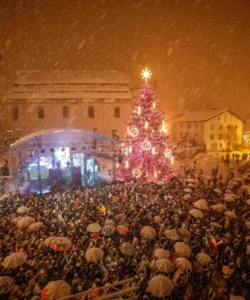
The Christmas markets in Haute-Savoie are among the must-see events at the end of the year. Between the shores of Lake Geneva, Lake Annecy and the villages of the Mont-Blanc massif, the region is decked out in its finest lights to offer visitors a magical atmosphere, combining local crafts, Savoyard treats and activities for all … Learn more

The effects of cold

grand froid

Article updated on 07/27/2026 The weather changes quickly in the mountains, that’s well known. But even if it is perfectly sunny, the passing of a cloud or the shadow of a peak or a somewhat strong wind, the cold can quickly be felt! And temperature variations are significant in the mountains, especially at altitude. Without … Learn more

Tips for Snowshoe Hiking

Conseils randonnées raquettes

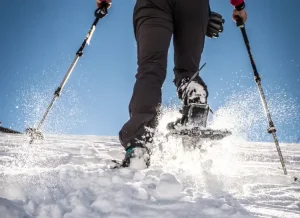
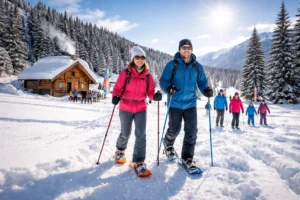
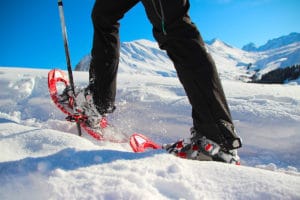
What could be more enjoyable than going to discover remote spots in our beautiful mountains in winter. There is ski touring, an ideal tool in my opinion, but if you are not very athletic or not a very good skier, prefer snowshoes. However, we must not forget that we are moving in an unstable and … Learn more

The waterfall trail – Flaine – Sixt

piste des cascades - Flaine - Sixt

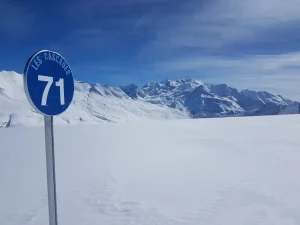
The waterfalls run or the joy of skiing 14 kilometers downhill, right in the heart of a nature reserve, without the constraint of ski lifts… Come discover the “Combe de Gers“, in the heart of the Grand Massif, a secured area entirely dedicated to off-piste skiing. 800 m of altitude difference facing north, powder snow … Learn more

When the avalanche is there

Conduite à tenir pendant une avalanche

Article updated on 11/21/2024 Despite all the precautions you may take, you may one day be caught in an avalanche. What to do in such a case. During the avalanche You are outside the avalanche From the moment it starts, observe the person or persons carried away until the flow comes to a complete stop. … Learn more

Cheese making

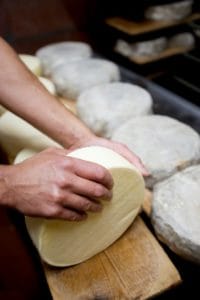
Haute Savoie is renowned, among other things, for its cheeses. In addition to the essentials such as reblochon, raclette cheese, Beaufort, Abondance, and tome, there is a wide variety of lesser-known yet equally excellent cheeses. How is cheese made? The manufacturing techniques vary somewhat depending on the type of cheese, but the basic principles are … Learn more

The right attitude on the slopes

Règles de bonne conduite des skieurs

At the beginning of this season, it is helpful to recall some rules of good conduct to adopt on the ski slopes. And some additional rules if you practice off-piste skiing: Have a good ski season everyone!

Mont Blanc Flight 4807

For this new edition of the Vol Mont-Blanc 4807 which will take place between Monday, September 04 and Sunday, September 10, 2006, depending on the weather, it celebrates its 20th anniversary! The Mont Blanc 4807 flight is the first and only para-alpinism event in the world. Over 1 day, chosen according to the meteorological conditions, … Learn more

Great skiing in Chamonix

Le mont blanc, vu de Chamonix

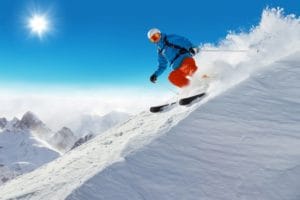
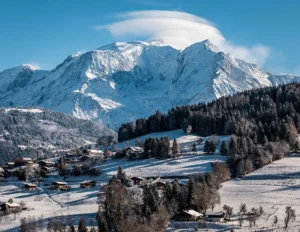
Whether you are a skier, snowboarder, beginner, advanced, expert… the Chamonix valley offers you a wide variety of slopes, snow conditions, but also untouched areas and sublime landscapes for your utmost pleasure. The Chamonix valley offers you several ski areas, some oriented towards big skiing, others more intended for family skiing, not forgetting of course, … Learn more

Physical preparation before the ski season

Préparation physique ski - Camille SAYEC

The ski season will start in a few weeks, you want to arrive in shape for your first descents, it is time to think about getting back in shape, if necessary, before sliding down the ski slopes. Skiing works muscles in movements slightly different from most sports, so you need to prepare for it. As … Learn more

Alpage Festival in Grand Bornand

reducImage.jpg

August 3, 2008 at Grand Bornand: Fête de l’Alpage Festival day in Chinaillon with this highlight of the summer in Bornand, one of the most beautiful festivals in France! Throughout the day: ancestral crafts, old trades, open-air mass, running race, alpine descent, rustic meal, milking and sheepdog competitions, grand float parade, climbing contest, free dance, … Learn more

Choose your rackets

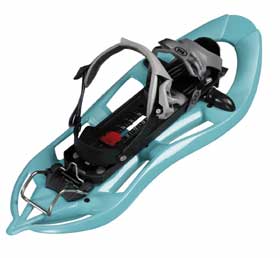
raquette1-2.jpg

Choosing your snowshoes for this winter may seem trivial, but this choice will partly determine the pleasure you will experience while hiking. A snowshoe adapted to your terrain of practice will make things much easier for you. To choose your snowshoe, you need to know the type of terrain on which you will mainly practice. … Learn more

How to properly adjust your ski bindings

réglage fixation ski

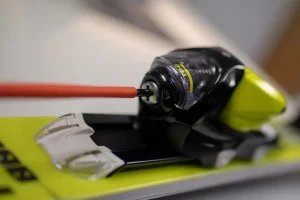
You don’t necessarily think about it, but it is nonetheless an important safety element in your ski equipment. A good adjustment of your bindings will help avoid many problems… The binding must fulfill 2 main but contradictory roles: It must hold the boot and absorb shocks from the terrain. It must release the boot as … Learn more

The traveling distiller

You may have already glimpsed, by the roadside, a strange tent made of tarps, a curious lineup of 4x4s, large drums, and steam that smells pleasantly of fruit… When you discover the still for the first time, you are surprised by the age of the machine mounted on wheels. Some call it “the godmother.” While … Learn more

White wine Diots and polenta

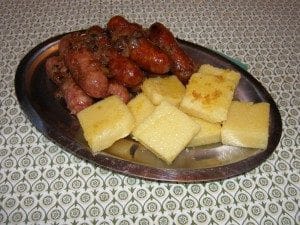
Diots in white wine and polenta: a delicious Savoyard specialty Diots in white wine are a delicious Savoyard specialty that highlights the diots, sausages typical of the region, usually made from pork and sometimes veal. This comforting dish, often served in winter, is ideal for family or friends’ meals, combining simplicity and authentic flavors. The … Learn more

Reblochon: history, farm-made or dairy-made, and where to discover it in Haute-Savoie

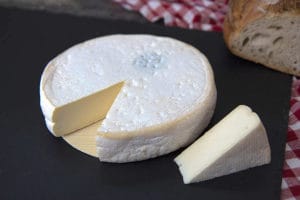
Reblochon de Savoie AOP

In brief

  • Reblochon is a raw cow’s milk cheese that originated in the Aravis mountains and the Thônes valley. It has been protected by a designation of origin since 1958.
  • The green marker identifies a farmhouse reblochon, made on the farm with milk from a single herd. The red marker identifies a dairy-made reblochon, made at a cheese dairy using milk from several farms.
  • Its name comes from « rebloche », a second milking that farmers carried out in secret in the Middle Ages.
  • In Haute-Savoie, you can discover it at the Farto cooperative in Thônes, at farms in the Aravis, or at the La Clusaz Reblochon Festival every August.

What is reblochon?

Reblochon, or reblochon de Savoie, is a pressed, uncooked cheese. It is shaped like a flat cylinder about 14 cm in diameter and weighs between 450 and 550 grams. It is made with whole, raw cow’s milk. On average, four litres of milk are needed to make a 500-gram reblochon.

Its washed rind ranges from yellow to orange and develops a fine white bloom. Its paste is soft and creamy, with a more or less pronounced hazelnut flavour depending on how long it is aged.

This is a cheese deeply rooted in Haute-Savoie. Its production area is limited to the mountains of Haute-Savoie and the Val d’Arly in Savoie, and producing it elsewhere is prohibited. Its historic birthplace remains the Bornes and Aravis mountain ranges, and especially the Thônes valley.

« Rebloche »: the story of a cheese born from a trick

The story of reblochon began in the 13th century in the mountain pastures of the Thônes valley. At the time, farmers rented their pastures from monks or nobles and had to pay them a fee calculated according to the amount of milk produced.

So they came up with a very Savoyard trick. On inspection day, the farmers did not fully milk their cows. Once the inspector had left, they carried out a second milking, called « rebloche » in the local dialect. This late-milking milk was richer in cream and fat, making it ideal for cheese. And so reblochon was born.

Made outside the system of dues, reblochon remained a cheese in the shadows for a long time. Its commercial production only really took off around 1860. A century later, on August 7, 1958, it was granted a controlled designation of origin. Its producers were among the very first cheesemakers to receive this protection.

Farmhouse or dairy-made reblochon: green or red marker?
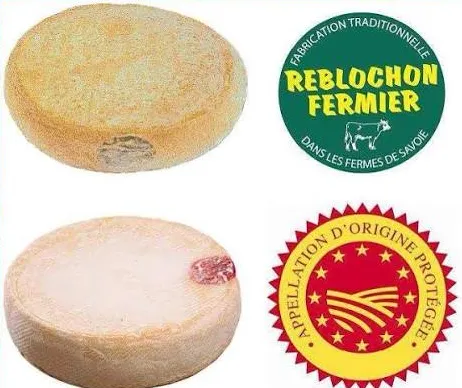
Green or red casein marker for farmhouse or dairy-made reblochon

This is the question everyone asks when they reach the cheese aisle, and the answer can be found on the rind. Every reblochon bears a casein marker (a milk protein, so it is edible). It indicates the dairy’s number, the batch and the date of production.

Farmhouse reblochon (green marker) is made on the farm using milk from a single herd, immediately after each of the two daily milkings. The milk is processed while still warm, preserving all its aromas. Its packaging also bears the words « Reblochon fermier ». Its flavour is generally more pronounced.

Dairy-made reblochon (red marker), also called fruitier-style reblochon, is made at a cooperative dairy or cheese dairy using milk collected from several farms in the designated area. It is often milder.

Farmhouse reblochonDairy-made reblochon
MarkerGreenRed
Milk sourceA single herdSeveral farms
Place of productionOn the farmAt a cooperative dairy or cheese dairy
FrequencyTwice a day, after each milkingAccording to milk collection
FlavourMore pronouncedMilder
DesignationAOPAOP

Both are authentic AOP reblochons and are subject to the same production requirements. It is not a matter of quality, but of style: farmhouse reblochon for those who enjoy bold flavours, dairy-made reblochon for a milder taste.

The reblochon AOP: what the designation guarantees

Since 1958, reblochon has benefited from a controlled designation of origin, which became a protected designation of origin (AOP) at European level. Today, it is France’s third-largest cheese designation by volume.

The production requirements govern the entire process:

  • The area: the milk production, cheesemaking and aging must all take place within the designated area.
  • Feed: cows are fed grass in summer and hay from the area in winter.
  • The milk: it must be raw and whole, with no standardisation.
  • Aging: it lasts at least fifteen days, and typically six to eight weeks.

It is also packaged on a thin spruce board, which naturally regulates its moisture.

How is reblochon made?
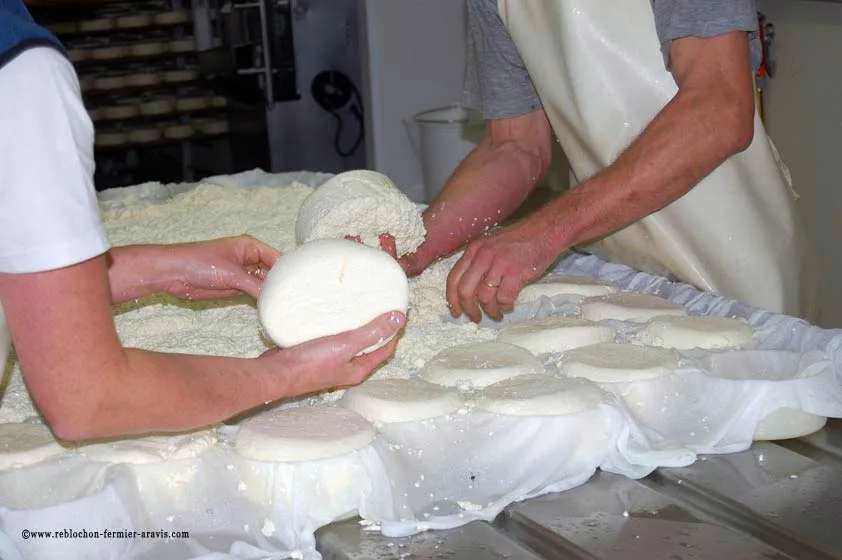
Traditional farmhouse reblochon making in the Aravis
Traditional farmhouse reblochon making in the Aravis: moulding – Photo: https://www.reblochon-fermier-aravis.com/

The cheese is made using techniques passed down through generations:

  1. Adding rennet: immediately after milking, rennet is added to the milk, which then curdles.
  2. Cutting the curd: the curd is cut into small grains with a curd cutter.
  3. Moulding: the grains are placed in cloth-lined moulds, then the cheesemaker adds the red or green marker.
  4. Pressing and salting: the cheese is pressed, removed from its mould, then salted.
  5. Aging: the cheese is left to dry for a few days, then moved to the aging cellar, where it is regularly washed and turned on spruce boards. Farmhouse reblochon spends at least eight days on the farm before being handed over to an affineur.

Where can you discover reblochon in Haute-Savoie?

That’s where Haute-Savoie has an advantage: you can see reblochon being made, not just buy it.

The Farto cooperative in Thônes

Thônes bills itself as the capital of reblochon. It is home to Le Farto, the cooperative of farmhouse reblochon producers, at 40 avenue d’Annecy. It usually offers guided tours of its cellars with tastings, by reservation through the Thônes tourist office. The tours are currently suspended due to renovation work, so check before visiting. The farm shop sells farmhouse reblochon and other Savoie cheeses.

The farms of the Aravis

Many producers in La Clusaz, Le Grand-Bornand, Manigod and Thônes open their doors to show visitors how their cheese is made and sell their products, including Sandra and Pierre in Saint Jean de Sixt (website: https://www.reblochon-fermier-aravis.com/). In summer, some even offer farm tours and snacks by reservation. The Aravis tourist offices keep an up-to-date list. To plan your stay, see our page on the Aravis mountain range.

The Reblochon Festival in La Clusaz

Every summer, La Clusaz dedicates an entire day to its cheese at Bossonnet, at the foot of the ski lifts. The highlight is the making of a farmhouse reblochon in a huge copper cauldron. The day also includes a parade of herds, demonstrations of traditional crafts and folk dancing. Admission is free. Find the programme in our article on the Reblochon and Handicrafts Festival.

At the markets

Village markets are still the ideal place to buy farmhouse reblochon directly from the producer. See our guide to markets in Haute-Savoie.

How should you enjoy and store reblochon?

On its own is the best way to bring out its aromas. Take it out of the refrigerator an hour before serving, and enjoy it with country bread and a white wine from Savoie.

In cooking, it is of course the star of tartiflette, but it also works beautifully in croziflette, gratins, soups and Savoyard burgers. Find inspiration in our Haute-Savoie recipes, especially the Tartiflette recipe.

To store it, keep it in its original packaging, on its spruce board, in the refrigerator’s vegetable drawer. Once cut, eat it within a few days.

A note of caution: as reblochon is made with raw milk, eating it uncooked during pregnancy is not recommended. Cooking destroys any germs that may be present, so a well-browned tartiflette is fine.

Reblochon or « tartiflette cheese »: what’s the difference?

« Tartiflette cheese » sold in supermarkets is not reblochon! It is often made with pasteurised milk and standard starter cultures, and does not benefit from the protection or regional roots of the AOP. It is cheaper and gives consistent results, but it has neither the aromatic richness nor the history of real reblochon. For an authentic tartiflette, nothing can replace AOP reblochon, preferably farmhouse-made.

Reblochon FAQ

What type of cheese is reblochon?
It is a pressed, uncooked cheese with a washed rind, made with whole, raw cow’s milk in Haute-Savoie and the Val d’Arly.

What is the difference between farmhouse and dairy-made reblochon?
Farmhouse reblochon (green marker) is made on the farm with milk from a single herd, twice a day. Dairy-made reblochon (red marker) is made at a cheese dairy with milk from several farms.

Where does the name « reblochon » come from?
It comes from the local dialect word « rebloche », which referred to the second milking carried out in secret by farmers in the Aravis in the Middle Ages to avoid paying part of the dues owed to the owners of the mountain pastures.

What is the best reblochon?
It depends on your taste. Farmhouse reblochon has a more pronounced flavour, while dairy-made reblochon is milder. The important thing is to choose an AOP reblochon and enjoy it when properly ripe: the paste should feel soft under your finger.

How do you eat reblochon?
Enjoy it on its own, at room temperature, with bread and a white wine from Savoie, or cooked in a tartiflette, gratin or croziflette.

Where can you buy farmhouse reblochon in Haute-Savoie?
Directly from farms in the Aravis, at the Farto cooperative shop in Thônes, or at village markets.
 

Learn more

The racket – Equipment

raquettes à neige

Individual equipment : 1 pair of snowshoes: see here to choose your pair of snowshoes 1 pair of shoes sufficiently waterproof and warm 1 pair of gaiters or a snow stop system Walking or ski poles with a wide basket (to prevent sinking too much in powder snow) Warm and waterproof clothes, even if the … Learn more

Alpine Skiing: Nutrition

Alimentation ski

How to eat well for a day of skiing? Alpine skiing requires a lot of vigilance and concentration. During your stay, you will accumulate skiing sessions over several days. In addition to physical activity, altitude increases energy needs. The dry mountain air also causes dehydration. This amplifies the accumulation of waste released during certain efforts, … Learn more

Alpine skiing – Preparation

Don’t attack the snow that won’t come! Being in good shape is the prerequisite for skiing well and fully enjoying your winter holidays. This sport requires coordination in movements and solid balance, not to mention vigilance every second. The legs gain strength and endurance, but skiing barely stimulates the cardiovascular or respiratory systems. A demanding … Learn more

Avalanche Risks

secours.gif

AVALANCHE: BETTER TO PREVENT… In snowy mountains, as soon as you leave the marked and secured world of ski slopes, you enter a risk zone. To the classic dangers that await the ski or snowshoe hiker, the free rider, or the snowboarder, is added the danger of avalanches. Every year, a few accidents and deaths … Learn more

Prepare for a snowshoe hike

randonnée raquettes

Here are some simple and useful tips to properly prepare your next snowshoe outing and thus make the most of the winter mountain. Gather information: Check the mountain weather bulletin 08-92-68-02-74 Check the avalanche risk assessment bulletin 08-92-68-10-20 Ask professionals (guide and accompanying offices, ski schools, pisteurs) about mountain conditions. Listen to their advice, they … Learn more

Physical Preparation Alpine Skiing

préparation physique ski alpin

Catch Your Breath Again Weekly Training 2 to 3 times a week, do a jogging session, even a short one. Warm up by doing stretching movements and trotting for a few minutes before setting off. Never stop running abruptly: trot, walk, and finish your session with some stretching. For beginners’ first sessions: 20 minutes alternating … Learn more

Alpine Skiing: ski waxing

fartage des skis

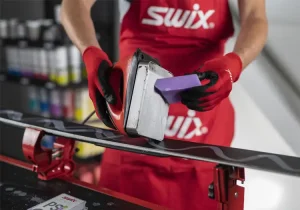
Waxing consists of applying a layer of wax on the ski base. Its 3 main advantages are : Nourish the base so that it retains all its qualities Preserve good glide quality (longitudinal glide) Maintain good maneuverability (lateral glide) Advice : before each waxing, clean your base using the wax remover. There are 2 ways … Learn more

Alpine skiing – Equipment

matériel ski alpin

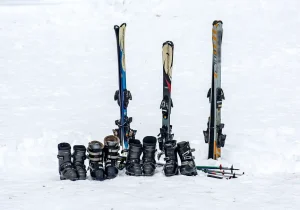
Ski equipment has evolved a lot in recent years, especially since the appearance of parabolic skis, thus facilitating access to skiing techniques that were once reserved for very good skiers. Skis can be divided into 5 main categories based on their uses and the required skill level. SPORT You are a beginner to good skier. … Learn more